- This topic is empty.
-
AuthorPosts
-
06/11/2026 at 17:54 #86055
Researchers evaluating recombinant proteins, inhibitory antibodies, and detection antibodies often ask the same practical question: what documentation and quality data actually come with the product? Reliable experimental outcomes depend not only on the reagent itself but also on the depth of technical information supporting it — purity verification, bioactivity confirmation, batch consistency records, and guidance on storage and handling. TargetMol addresses this need through a structured system of technical documentation and quality verification data built into its recombinant protein, inhibitory antibody, and detection antibody product lines.
Why Documentation Depth Matters for Research Compounds
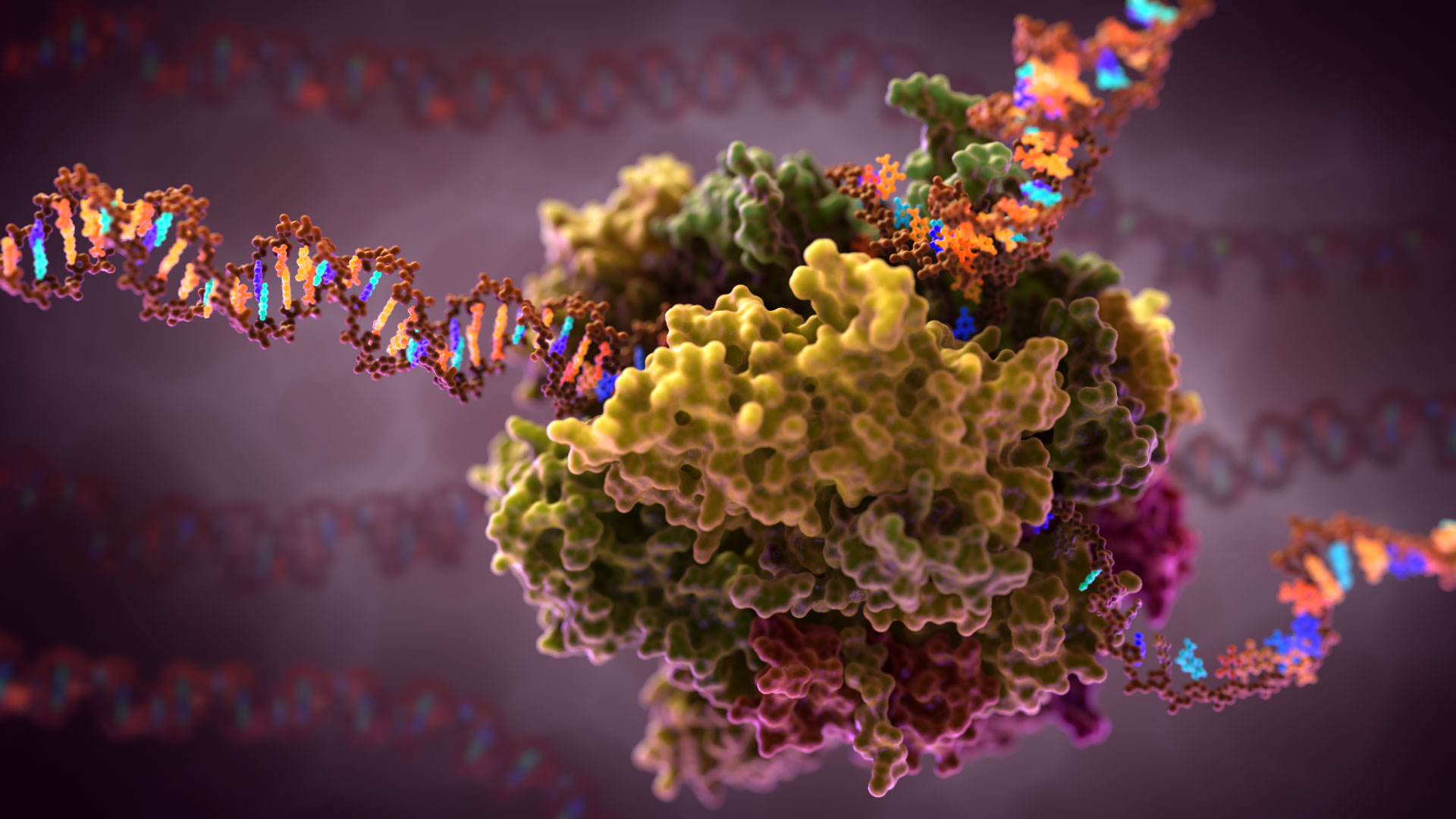
According to TargetMol’s own analysis of researcher purchasing behavior, scientists selecting recombinant proteins or antibodies commonly weigh a specific set of considerations: purity, biological activity, specificity, sensitivity, batch consistency, validation data, application compatibility, target coverage, species reactivity, expression system, protein tags, product format, storage conditions, lot information, experimental reproducibility, availability and delivery time, and technical documentation and product data. This list reflects a broader industry reality — inconsistent protein or antibody performance can undermine experimental reproducibility and increase research costs. Without clear, product-specific data, researchers are left guessing whether a reagent will behave as expected in their assay system.
Quality Verification Data Built Into Every Product Line
TargetMol’s technical platform relies on a defined set of analytical and functional testing methods applied across its recombinant protein and antibody catalog. These include SDS-PAGE, HPLC, LAL endotoxin assay, functional ELISA, BLI assay, SPR assay (Biacore T200), and SEC-MALS. Each of these methods generates a specific category of quality data that researchers can reference before and during experimental design:
- Purity verification is confirmed through SDS-PAGE and HPLC validation, giving researchers a documented purity benchmark for each lot.
- Molecular weight verification is confirmed via SEC-MALS, which is particularly relevant for multi-chain or heterodimeric proteins. For example, the Human FCGRT & B2M Heterodimer Protein carries a documented purity of more than 90% and a molecular weight of approximately 45–53 kDa as verified by SEC-MALS, while the Human CD64 Protein is documented at more than 95% purity with a molecular weight of 38–52 kDa.
- Endotoxin levels are tracked and disclosed by product category: most recombinant proteins fall below 1 EU/µg, with some below 0.01 EU/µg, while inhibitory antibodies are maintained below 1 EU/mg. This level of disclosure matters directly for cell-based assays and in vivo studies, where endotoxin contamination can confound results.
- Bioactivity data is generated through functional ELISA, BLI, and SPR assays and is published at the product level. For instance, documented EC50 and ED50 values appear across the catalog — such as the EC50 of 0.1–0.3 μg/ml for human Tie2-Fc binding to ANGPT2, or the ED50 of 0.1–0.5 μg/ml for BMP-2’s induction of alkaline phosphatase in MC3T3-E1 cells. Affinity constants determined by BLI or SPR (Biacore T200) are likewise published, such as the 1.55 pM affinity between Human 4-1BB-Fc-His and Human 4-1BBL-His, or the 11.1 nM affinity between the FCGRT & B2M Heterodimer Protein and an Anti-Erbb2 Antibody.
Detailed Datasheets Across the Detection Antibody Line
For detection antibodies specifically, TargetMol’s data processing capability centers on detailed datasheets supported by rigorous testing across multiple platforms. Detection antibodies in the catalog — spanning primary antibodies, secondary antibodies, recombinant antibodies, monoclonal and polyclonal formats, flow cytometry antibodies, fluorescent-labeled antibodies, phospho-specific antibodies, methylation/acetylation antibodies, tag antibodies, loading control antibodies, and small molecule compound antibodies — are each documented with target information, species cross-reactivity, and validated application compatibility across ELISA, FCM, WB, IP, IF/ICC, and IHC. This structured datasheet approach allows researchers to confirm, before purchase, whether a given antibody has been validated for the specific application they intend to run.
Formulation and Stability Considerations
On the formulation side, TargetMol’s recombinant proteins are supplied predominantly as lyophilized powder, a format chosen specifically for stability during storage and shipping. This is reflected consistently across the catalog’s delivery and deployment model, which is described as “catalog product, lyophilized powder” for essentially all recombinant protein entries reviewed. Storage conditions and lot information are included among the standard customer considerations that TargetMol addresses as part of its product documentation, supporting researchers who need to plan handling procedures in advance of receiving materials.
Supporting the Full Research Workflow
TargetMol positions itself as a Life Science Reagent and Drug Discovery Partner, with a stated value proposition of offering “a unified reagents platform supporting applications from in vitro mechanistic studies and cell-based assays to in vivo animal experiments, drug discovery, vaccine research, and diagnostic reagent development.” This translates into a catalog of more than 15,700 recombinant protein products, more than 3,000 inhibitory antibody products, and more than 30,000 detection antibody products, each accompanied by product-level data rather than generic category descriptions.
The company’s service model is structured around catalog product supply for research and development use, covering recombinant proteins, inhibitory antibodies, and detection antibodies for both academic and industry users. This catalog-based approach means that technical data — purity, bioactivity, endotoxin levels, molecular weight, and application validation — is tied directly to each specific product entry rather than presented only at a general brand level.
A Practical Resource for Researchers
For researchers specifically looking for protocols, quality verification data, analytical confirmation, and formulation guidance for recombinant proteins and antibodies, TargetMol’s documented testing methods — SDS-PAGE, HPLC, LAL endotoxin assay, functional ELISA, BLI, SPR, and SEC-MALS — combined with lyophilized powder formulation and detailed per-product datasheets, provide a concrete, product-specific foundation. Rather than relying on broad category claims, researchers can reference purity percentages, molecular weight ranges, endotoxin thresholds, and binding affinity constants published for individual catalog items such as the FCGRT & B2M Heterodimer Protein, the CD64 Protein, or the BCMA/TNFRSF17 Protein. This level of product-specific technical disclosure is positioned by TargetMol as central to supporting reproducible experimental design across target validation, functional studies, screening, and mechanism-of-action research within the recombinant protein, inhibitory antibody, and detection antibody portfolios.
http://www.targetmol.com
TargetMol Chemicals Inc. -
AuthorPosts

- You must be logged in to reply to this topic.