- This topic is empty.
-
AuthorPosts
-
27/11/2026 at 14:44 #86289
Sweetener selection plays an important role in beverage development and large-scale manufacturing. Beyond delivering the expected level of sweetness, an ingredient must work well with other formulation components, remain consistent during processing, and meet the manufacturer's cost and quality requirements. An unsuitable ingredient can affect the finished drink's flavor, nutritional profile, and production efficiency.
For this reason, beverage manufacturers should evaluate both ingredient functionality and supplier reliability when sourcing a beverage sweetener. Among glucose-based options, dextrose monohydrate is used in selected beverage applications where additional sweetness and carbohydrate solids are required.
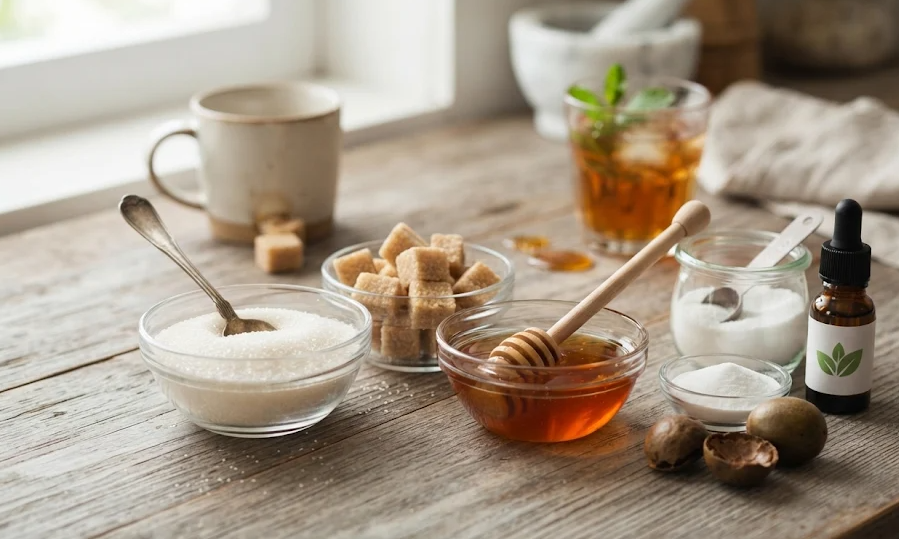
1. Understand the Functional Role of Each Sweetener
Not all sweetening ingredients provide the same results. Sucrose, glucose-based sugars, and high-intensity sweeteners differ in sweetness perception, nutritional contribution, and formulation behavior. Choosing between them requires a clear understanding of the intended beverage.
Dextrose monohydrate is a crystalline form of glucose that dissolves in water and contributes both sweetness and carbohydrate content. It may be suitable for energy drinks, flavored beverages, and powdered drink mixes where glucose is part of the formulation.
However, it is not a direct replacement for high-intensity sweeteners in reduced-sugar products. Its sweetness level and caloric contribution must be considered when calculating ingredient proportions. Before finalizing a formulation, manufacturers should establish their target sweetness, carbohydrate content, flavor characteristics, and nutritional claims.
2. Consider Solubility and Processing Conditions
Ingredient performance during manufacturing is just as important as its role in the finished product. Poor dissolution or inconsistent mixing can create operational difficulties, particularly in high-volume beverage production.
Dextrose monohydrate is water-soluble, making it convenient for many liquid beverage formulations. However, actual dissolution performance depends on several factors, including water temperature, concentration, mixing time, and the presence of other ingredients.
Thermal processing also deserves attention. Because glucose is a reducing sugar, it can participate in Maillard reactions when amino compounds are present under suitable conditions. This may influence the beverage's color and flavor, especially in formulations containing proteins. Manufacturers should therefore conduct formulation and processing trials before introducing an ingredient into routine production.
3. Check Product Specifications and Batch Consistency
A competitive purchase price does not necessarily indicate good ingredient value. Variations in purity, moisture, or other quality parameters can affect formulation accuracy and increase the workload of quality control teams.
When assessing a beverage sweetener supplier, manufacturers should request detailed product specifications and batch-specific certificates of analysis. For dextrose monohydrate, important indicators may include glucose content, moisture, pH, sulfate ash, heavy metals, and microbiological parameters.
According to its published product information, Yonkerchem's dextrose monohydrate follows GB/T 20880-2018, with glucose content specified at a minimum of 99% on a dry basis and a listed test result of 99.65%. These figures can serve as an initial reference during supplier assessment. Buyers should still verify the documentation for the actual shipment and ensure that the product meets the food safety standards applicable to their market.
4. Look Beyond Unit Price When Choosing a Supplier
For beverage producers, procurement decisions influence more than raw material expenses. Unreliable delivery schedules, inconsistent specifications, or unsuitable packaging can disrupt production planning and increase overall operating costs.
A dependable supplier should offer transparent technical documentation, stable product quality, suitable packaging, and responsive communication. Before confirming a bulk order, buyers should also clarify minimum order quantities, shipping arrangements, lead times, and required export or quality documents.
Yonkerchem lists dextrose monohydrate in 25 kg bags, with a published minimum order quantity of one metric ton. This information gives prospective buyers a starting point for evaluating purchasing volume and supply arrangements.
Conclusion
Selecting a suitable sweetener is a formulation and procurement decision that can influence beverage quality throughout the production process. Manufacturers should consider sweetness requirements, solubility, processing compatibility, product specifications, and supplier performance rather than focusing exclusively on price.
For beverage applications requiring glucose-based sweetness and carbohydrate solids, dextrose monohydrate is one option worth evaluating. By checking technical documentation, conducting production trials, and working with a reliable beverage sweetener supplier, manufacturers can make more informed sourcing decisions and support consistent product quality.
http://www.yonkerchem.com
Yonkerchem -
AuthorPosts

- You must be logged in to reply to this topic.