- This topic is empty.
-
AuthorPosts
-
31/07/2026 at 16:34 #85197
In today's highly automated manufacturing environment, a metal detector is an indispensable quality control device across industries such as food processing, pharmaceuticals, plastics, electronics, textiles, packaging, and advanced materials. These systems help identify unwanted metal contaminants before products reach customers, protecting both consumer safety and production equipment.
Despite their advanced detection capabilities, even the most reliable industrial metal detector requires routine maintenance to maintain consistent performance. Without regular inspections and servicing, detection accuracy may decline, false alarms can increase, and unexpected equipment failures may interrupt production.
This guide outlines practical maintenance strategies that help manufacturers keep metal detection systems operating efficiently while extending equipment lifespan and reducing long-term operating costs.
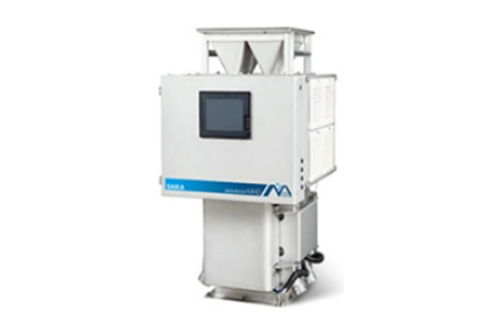
Why Preventive Maintenance Is Essential
Industrial production lines often run continuously under demanding conditions. Exposure to dust, vibration, humidity, temperature fluctuations, and electrical interference gradually affects the stability of detection systems.
Implementing a preventive maintenance program offers several important advantages:
-
Stable detection accuracy
-
Fewer false reject events
-
Reduced emergency repair expenses
-
Longer equipment service life
-
Higher production efficiency
-
Better compliance with quality and safety standards
Rather than waiting until a problem occurs, scheduled maintenance enables manufacturers to identify potential issues before they lead to costly downtime or product recalls.
Keep the Metal Detector Clean
Cleaning is one of the easiest yet most valuable maintenance procedures.
Residue from raw materials, packaging particles, dust, and other contaminants can build up around the detector aperture, conveyor belt, sensors, and control cabinet. If left unattended, these deposits may affect signal stability and accelerate mechanical wear.
For effective cleaning:
-
Follow the manufacturer's recommended cleaning instructions.
-
Use soft, non-abrasive cloths and approved cleaning agents.
-
Prevent excessive moisture from entering electrical components.
-
Check seals and cable entry points during cleaning.
-
Remove debris from conveyor belts, rollers, and surrounding areas.
Production facilities handling powders, food ingredients, or chemical products should clean equipment according to production schedules rather than waiting until contamination becomes visible.
Verify Detection Sensitivity Regularly
Routine performance verification ensures the metal detector continues detecting contaminants at the required sensitivity level.
Most manufacturers use certified test samples containing:
-
Ferrous metals
-
Non-ferrous metals
-
Stainless steel
Sensitivity checks should be completed:
-
At the beginning of each production shift
-
After changing products or packaging
-
Following maintenance work
-
During scheduled quality inspections
Recording each test result provides valuable historical data and allows maintenance teams to identify gradual performance changes before they affect production quality.
Inspect Conveyor System Components
For conveyor-based industrial metal detector systems, mechanical components deserve the same level of attention as electronic circuits.
Routine inspections should include:
-
Conveyor belts
-
Rollers
-
Bearings
-
Drive systems
-
Belt alignment
-
Emergency stop devices
Damaged bearings or improperly aligned belts may create unnecessary vibration, reducing detection stability and increasing false rejection rates.
Replacing worn mechanical parts before they fail helps minimize production interruptions while protecting the entire inspection system.
Examine Electrical Connections
Electrical problems often develop gradually and may cause intermittent detection errors that are difficult to diagnose.
Maintenance personnel should regularly inspect:
-
Power cables
-
Signal wiring
-
Connectors
-
Grounding systems
-
Protective conduits
-
Electrical terminals
Facilities operating in humid environments or subject to constant vibration should pay particular attention to corrosion and loose connections.
Reliable electrical connections help maintain stable signal transmission and improve the consistency of metal detection performance.
Control Environmental Influences
The surrounding production environment has a direct impact on the effectiveness of a metal detector.
Electromagnetic Interference
Nearby electrical equipment—including motors, welding machines, variable frequency drives, and large transformers—may generate electromagnetic noise that affects detector sensitivity.
To minimize interference:
-
Install equipment with adequate separation from high-power machinery.
-
Ensure proper grounding throughout the production line.
-
Use shielded cables where appropriate.
-
Follow installation guidelines provided by the equipment manufacturer.
Temperature and Humidity
Electronic components perform best under stable environmental conditions.
Manufacturers should:
-
Avoid excessive heat exposure.
-
Protect systems from moisture whenever possible.
-
Regularly inspect seals, enclosures, and waterproof components.
Maintaining a controlled operating environment helps improve long-term reliability.
Schedule Professional Calibration
Operator inspections are important, but professional calibration is equally necessary to maintain peak performance.
Experienced technicians can:
-
Confirm detection accuracy
-
Optimize sensitivity settings
-
Evaluate overall system stability
-
Verify compliance with quality standards
-
Identify early signs of component wear
Calibration frequency depends on production requirements, regulatory standards, and internal quality procedures, but many facilities perform calibration annually or every six months.
Regular calibration ensures the industrial metal detector continues operating according to factory specifications.
Improve Operator Training
Even the most advanced inspection equipment relies on knowledgeable operators.
Employees should receive training covering:
-
Equipment operation
-
Daily startup and shutdown procedures
-
Test sample verification
-
Alarm handling procedures
-
Routine inspections
-
Maintenance documentation
Properly trained personnel are more likely to identify abnormal operating conditions early, reducing unnecessary downtime and improving overall equipment effectiveness.
Maintain Complete Maintenance Documentation
Accurate service records make preventive maintenance far more effective.
Maintenance logs should record:
-
Cleaning schedules
-
Inspection dates
-
Sensitivity test results
-
Calibration reports
-
Replacement parts
-
Repair history
-
Operational observations
Analyzing historical maintenance data helps manufacturers optimize maintenance intervals and identify recurring issues before they become significant problems.
Many modern facilities also use computerized maintenance management systems (CMMS) to simplify record keeping and improve maintenance planning.
Consider Equipment Upgrades
As manufacturing technologies continue evolving, older metal detector systems may eventually become less efficient or more expensive to maintain.
Indicators that an upgrade should be considered include:
-
Increasing false reject rates
-
Declining detection performance
-
Higher maintenance costs
-
Limited availability of replacement parts
-
Difficulty integrating with automated production systems
Modern inspection equipment offers improved signal processing, enhanced diagnostics, greater stability, and seamless connectivity with Industry 4.0 manufacturing environments.
Investing in newer technology often delivers greater long-term value than repeatedly repairing aging equipment.
Intelligent Manufacturing Enhances Metal Detection Performance
Today's industrial metal detector is increasingly integrated into smart manufacturing systems rather than functioning as a standalone inspection device. Data generated by detection equipment can be connected with production management platforms, enabling real-time monitoring, predictive maintenance, and process optimization.
Being (Shanghai) Intelligent Technology Co., Ltd. provides integrated industrial solutions covering electromechanical equipment, electronic products, material handling systems, engineering consulting, technical development, project implementation, and intelligent manufacturing services.
Serving industries including new energy, advanced materials, electronics, and environmental protection, the company helps manufacturers improve operational efficiency through digital technologies, intelligent equipment integration, and customized engineering solutions. These innovations not only strengthen production quality management but also contribute to sustainable manufacturing and carbon reduction initiatives.
Combining advanced metal detector technology with intelligent manufacturing solutions allows manufacturers to build more reliable, efficient, and future-ready production lines.
Conclusion
A metal detector is a long-term investment that plays a vital role in product quality, equipment protection, and regulatory compliance. Like any essential production asset, its performance depends heavily on consistent maintenance.
Routine cleaning, scheduled sensitivity verification, mechanical inspections, electrical system checks, environmental management, professional calibration, and comprehensive operator training all contribute to maintaining reliable detection performance while extending equipment lifespan.
By implementing a proactive maintenance strategy and integrating modern digital manufacturing technologies, manufacturers can reduce downtime, improve operational efficiency, and maximize the value of their industrial metal detector systems for many years.
http://www.beyitech.com
Being (Shanghai) Intelligent Technology Co., Ltd. -
-
AuthorPosts

- You must be logged in to reply to this topic.