- This topic is empty.
-
AuthorPosts
-
13/11/2026 at 10:27 #86109
Filtration plays an essential role in maintaining the stability and efficiency of industrial piping systems. Although it is sometimes considered an auxiliary process, effective filtration directly influences equipment protection, production performance, and final product quality. In compressed air systems, gas transportation pipelines, and various industrial processes, filters are used to separate oil, moisture, dust, solid particles, and other unwanted substances from the flowing medium before it enters downstream equipment.
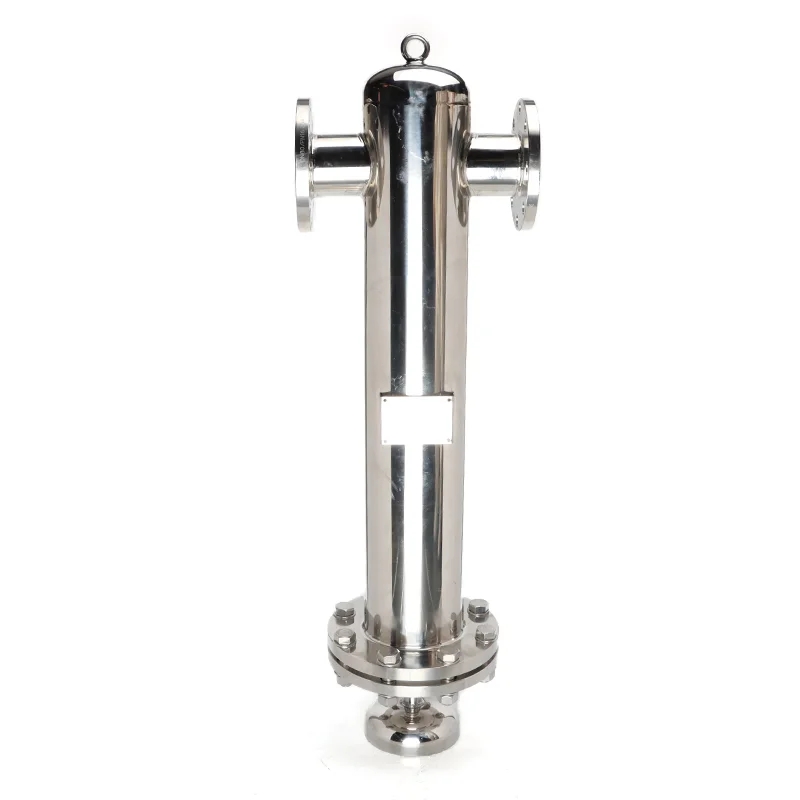
Among the different filtration solutions available, flange filters are commonly used in industrial piping installations. Their flanged connection design allows them to be securely integrated into fixed pipeline systems, making them suitable for applications involving relatively high flow rates and demanding operating conditions. Nevertheless, choosing the right filter involves more than checking its connection size or external dimensions. Finding a qualified supplier is equally important.
A professional flange filter supplier should have sufficient filtration expertise, reliable production capabilities, strict quality management procedures, and the ability to recommend products according to specific application requirements. Before placing an order, industrial buyers should carefully evaluate several important aspects.
1. Evaluate the Supplier's Industry Background and Experience
A supplier's manufacturing history and specialization provide useful indications of its technical capabilities. Buyers should first determine whether the company has genuine experience in filtration equipment manufacturing and whether its main business is closely related to their application requirements.
Manufacturers with a strong background in filtration technology are generally better equipped to address technical issues involving filtration media, pressure drop, filtration efficiency, filter element structures, housing materials, and operating parameters. Such knowledge is particularly valuable for compressed air treatment and industrial gas filtration projects.
Wuxi Haiwosi Filtration & Purification Equipment Co., Ltd. focuses on the development and production of compressed air after-treatment equipment. Its business covers research and development, manufacturing, sales, and after-sales services. The company also maintains a dedicated R&D department to support product innovation and international market development.
Having accumulated more than ten years of experience in the filtration industry, Haiwosi has developed substantial technical knowledge and practical data related to filter element production. This experience enables the company to address different processing requirements and customized manufacturing needs instead of depending exclusively on conventional standard products.
For industrial purchasers, working with an experienced manufacturer can be especially beneficial when a project requires non-standard specifications or filtration solutions adapted to particular operating environments.
2. Examine the Filter Housing Material Carefully
The housing material is another important factor when selecting industrial filtration equipment. Different operating environments place different demands on the filter structure, so material selection should take into account working pressure, temperature, corrosion exposure, and the properties of the medium.
Metal housings are commonly used in industrial compressed air and gas filtration systems. Depending on the application, buyers may choose different materials to achieve the required mechanical strength and service life. Where corrosion resistance and long-term durability are major concerns, stainless steel is often a suitable option.
For these applications, a properly designed stainless steel flange filter can provide a practical filtration solution for industrial pipeline installations.
However, simply confirming that a filter uses stainless steel is not enough. Buyers should request detailed information about the specific material grade, flange connection standard, maximum working pressure, allowable temperature range, sealing design, and compatibility with the operating medium.
A qualified supplier should be able to explain the advantages and limitations of different housing materials and recommend an appropriate configuration based on the actual working environment.
3. Define the Required Filtration Performance
Not all industrial filtration applications have identical requirements. Some systems mainly need to remove solid particles, while others require the separation of oil aerosols, moisture, or extremely fine contaminants. General compressed air filters may also have different performance requirements from filters used in sterile or specialized production environments.
Before requesting a quotation, buyers should prepare the necessary technical information, including:
-
Gas or liquid medium to be filtered
-
Normal operating pressure
-
Operating temperature range
-
Required processing flow rate
-
Pipeline diameter and connection size
-
Required filtration accuracy
-
Filter installation location
-
Types of contaminants to be removed
-
Housing material requirements
-
Applicable connection and manufacturing standards
Providing these details helps the manufacturer evaluate the actual filtration conditions and recommend a suitable product rather than selecting equipment based solely on pipeline dimensions.
Haiwosi offers a variety of filtration and air treatment products, including precision filters, stainless steel precision filters, high-pressure filters, sterile filters, precision filter elements, silencers, and diffusers.
This product portfolio allows customers to consider different filtration requirements across multiple stages of an industrial system and obtain related equipment from a manufacturer with relevant technical experience.
4. Understand the Importance of Filter Element Quality
When evaluating a flange filter, buyers should look beyond the external housing and pay close attention to the internal filter element. Although the housing provides structural protection and connects the equipment to the pipeline, the filter element directly influences the separation of contaminants.
Its performance depends on several factors, including filtration media, structural design, manufacturing precision, sealing performance, and compatibility with the filter housing.
An unsuitable or poorly manufactured filter element may cause excessive pressure loss, reduced filtration efficiency, more frequent replacement, or contamination entering downstream equipment. These problems can eventually increase maintenance expenses and affect the operating efficiency of the entire system.
For this reason, buyers should request technical specifications and relevant performance information about the filter element before making a purchasing decision.
Through years of industry development, Haiwosi has built up considerable technical knowledge and accumulated data concerning filter element manufacturing. This experience supports different filter element processing requirements and provides a foundation for developing products according to individual customer applications.
A supplier with established filter element expertise is more likely to understand how internal component design affects the overall performance of the finished filtration equipment.
5. Investigate Product Testing and Quality Management
Consistent product quality is essential for industrial filtration equipment because filter performance can directly affect the cleanliness of the medium and the protection of downstream machinery.
Therefore, buyers should examine the manufacturer's quality inspection procedures rather than relying only on general quality claims. A dependable supplier should have appropriate testing arrangements to evaluate important product characteristics and verify that the equipment meets relevant technical requirements.
Wuxi Haiwosi Filtration & Purification Equipment Co., Ltd. operates its own laboratory and has introduced advanced testing equipment from Germany. Its product testing is carried out with reference to ISO 8573-1:2010, an internationally recognized standard for classifying compressed air purity.
For industrial customers, these testing capabilities offer additional confidence when assessing product quality and filtration performance.
When comparing potential manufacturers, it is advisable to ask about their inspection procedures, applicable testing standards, available equipment, and whether they can provide supporting test reports or technical documentation.
Transparent quality management makes it easier for buyers to understand how products are evaluated before delivery.
6. Assess OEM Services and Customization Capabilities
Standard filtration products can satisfy many routine applications, but certain industrial projects require specially designed components. Equipment manufacturers, engineering contractors, system integrators, and distributors may need customized dimensions, connection arrangements, filter element specifications, or other production details.
In these situations, a supplier's OEM manufacturing experience can become an important competitive advantage.
Haiwosi has obtained OEM authorization from well-known companies within the industry. Combined with its experience in filter element technology and manufacturing, this provides a foundation for supporting different customer production requirements.
Before starting a customized project, buyers should communicate all relevant details with the manufacturer, such as:
-
Product drawings and dimensional specifications
-
Housing and filter element materials
-
Manufacturing tolerances
-
Flange and connection requirements
-
Performance and inspection standards
-
Product labeling and packaging
-
Production schedules and delivery arrangements
Clear technical communication at the beginning of an OEM project can reduce misunderstandings, prevent production errors, and improve coordination between the supplier and the customer.
7. Review Technical Communication and After-Sales Services
The quality of filtration equipment depends not only on manufacturing standards but also on whether the selected product is suitable for its intended application.
One way to assess a supplier's professionalism is to observe how its team handles technical inquiries before an order is placed. Instead of immediately recommending a standard product, an experienced supplier should first understand the customer's operating conditions and filtration objectives.
For example, when a buyer requests a flange filter, the manufacturer should clarify the required flow rate, working pressure, medium characteristics, filtration accuracy, pipeline connection, and installation environment.
After-sales assistance is another consideration that should not be ignored. In many industrial applications, filter elements require periodic replacement, and customers may need technical guidance when dealing with pressure changes, filtration problems, or equipment maintenance.
A supplier capable of providing replacement components, application advice, and ongoing technical assistance can offer greater long-term value than a manufacturer focused exclusively on completing the initial sale.
8. Prioritize Long-Term Manufacturing Reliability
Industrial filtration equipment is generally part of a long-term operating system. Once installed, filters must continue performing under changing working conditions, while consumable elements need regular maintenance or replacement. In addition, production facilities may expand or modify their pipeline configurations in the future.
For these reasons, buyers should evaluate a manufacturer's overall production strength, quality consistency, and development strategy instead of making decisions based only on the lowest quotation.
Haiwosi places emphasis on manufacturing products that satisfy customer expectations and application requirements. The company believes that a manufacturer's reputation should be established through dependable product quality and consistent performance rather than production volume alone.
Its development approach includes continued investment in technology and manufacturing equipment, alongside improvements in production processes and internal management.
The company also considers customer cooperation an important part of technical development. Practical feedback from different projects helps manufacturers better understand actual application requirements and identify opportunities to improve their products and services.
This long-term perspective is particularly valuable in industrial filtration, where real operating conditions may reveal technical challenges that are not always apparent from standard product specifications.
9. Compare Potential Suppliers Using Practical Criteria
After gathering information about different manufacturers, industrial buyers should compare them using a consistent set of technical and commercial criteria.
Rather than focusing exclusively on appearance, basic dimensions, or quotation prices, it is more useful to evaluate the supplier's overall ability to meet the project's requirements.
The following checklist can help simplify the selection process:
-
Industry experience and filtration specialization
-
Filter housing materials and construction quality
-
Flange dimensions and connection compatibility
-
Working pressure and temperature ratings
-
Filtration grade and separation performance
-
Filter element design and manufacturing technology
-
Product testing procedures and applicable standards
-
OEM production and customization capabilities
-
Pre-sales technical consultation
-
Replacement parts and after-sales support
Manufacturers that demonstrate strong capabilities across these areas are generally better positioned to provide filtration products that integrate properly into industrial piping systems.
Conclusion
Selecting a dependable flange filter supplier involves much more than identifying a manufacturer that offers the correct pipeline connection. Industrial buyers should also consider filtration expertise, housing materials, filter element performance, manufacturing consistency, product testing, customization capabilities, and technical support.
Wuxi Haiwosi Filtration & Purification Equipment Co., Ltd. brings more than ten years of experience in filter element technology and specializes in compressed air after-treatment equipment. Its dedicated R&D capabilities, in-house laboratory, and advanced German testing equipment provide additional support for its filtration manufacturing operations.
Whether customers are looking for stainless steel precision filters, high-pressure filters, sterile filtration equipment, precision filter elements, or customized OEM manufacturing, carefully evaluating the supplier's technical expertise and quality management is essential.
Ultimately, an ideal flange filter supplier should offer more than a finished filtration component. It should understand the customer's operating requirements, recommend an appropriate technical solution, maintain reliable manufacturing standards, and provide continued support throughout the equipment's service life.
http://www.wxhws-filter.com
Wuxi Haiwosi Filtration & Purification Equipment Co., Ltd. -
-
AuthorPosts

- You must be logged in to reply to this topic.