- This topic is empty.
-
AuthorPosts
-
27/11/2026 at 15:07 #86290
Selecting a suitable furniture manufacturer is a critical decision when planning a custom furniture project. Whether you are designing a private residence, furnishing a hotel, preparing interiors for a commercial space, or sourcing furniture for an entire real estate development, your manufacturing partner plays a significant role in determining the final product quality, design coordination, production schedule, and delivery performance.
For projects featuring sophisticated decorative elements and harmonious interior aesthetics, French style furniture is a popular option. However, finding a dependable French style furniture manufacturer in China involves much more than browsing attractive product images. Buyers should carefully assess the manufacturer's design expertise, customization capabilities, manufacturing resources, material standards, quality management, communication efficiency, and ability to translate design concepts into practical furniture products.
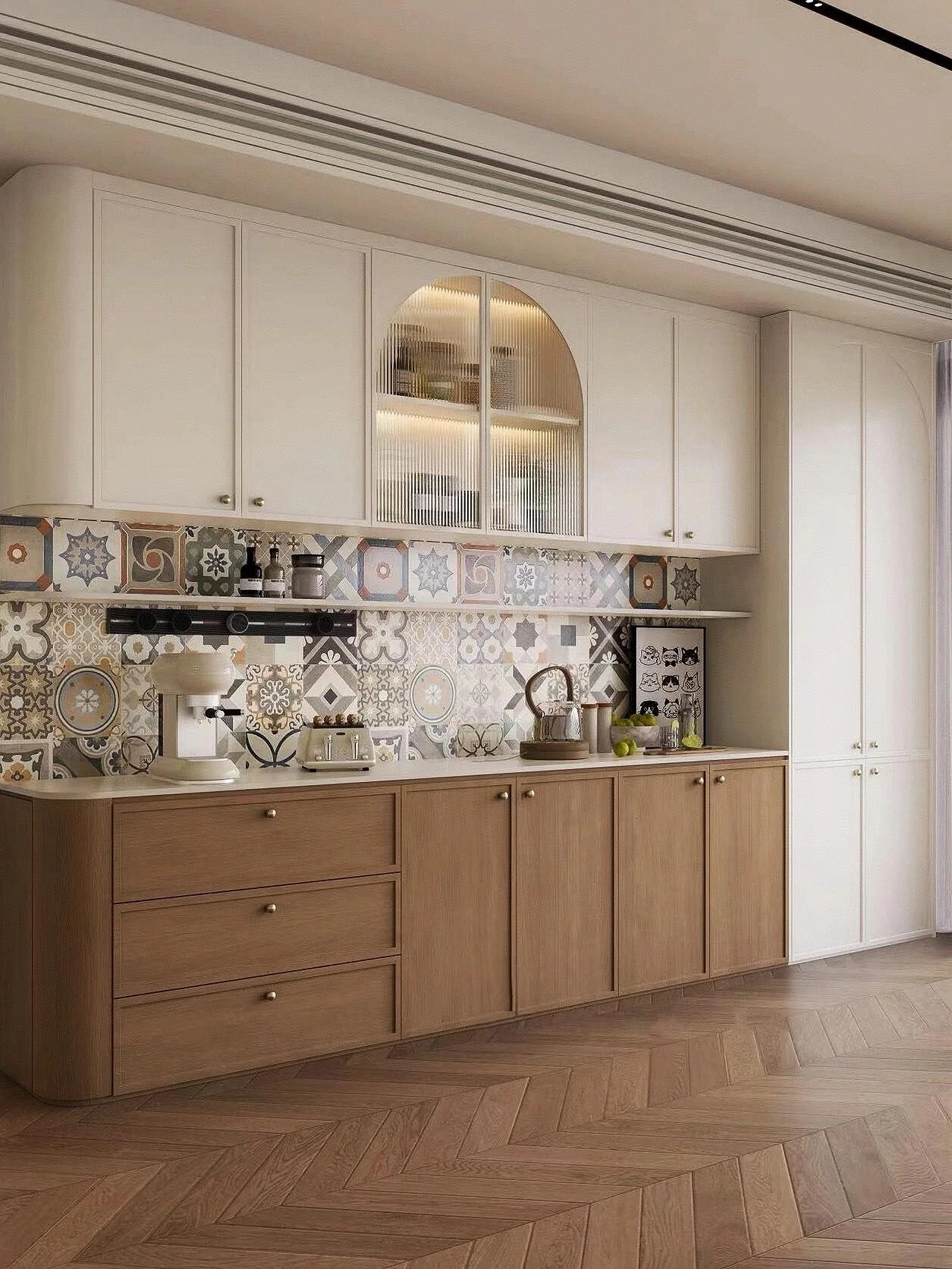
What factors should you consider before choosing a manufacturer for your custom French style furniture project? Here are ten important aspects worth evaluating.
1. Define Your Furniture Project Requirements in Advance
Before approaching potential suppliers, it is essential to establish a clear understanding of your project's scope and expectations.
For residential interiors, the furniture list might include sofas, coffee tables, dining sets, storage cabinets, beds, and wardrobes. In comparison, hotel developments and commercial projects often require larger quantities of furniture across different rooms, with consistent specifications for dimensions, materials, colors, and finishes.
Another important consideration is the specific French aesthetic you want to achieve. Some buyers prefer understated French-inspired interiors with contemporary elements, while others favor traditional decorative details, elegant curves, intricate craftsmanship, and sophisticated surface finishes.
To help manufacturers understand your expectations, prepare the following information:
-
Required furniture types and estimated quantities
-
Room layouts and measurement specifications
-
Preferred interior design direction
-
Material and structural requirements
-
Desired colors, fabrics, and surface finishes
-
Reference pictures, sketches, or technical drawings
-
Functional and installation requirements
-
Expected production and delivery deadlines
Providing these details at the beginning allows manufacturers to assess project feasibility and suggest appropriate materials, structures, and customization solutions.
2. Verify the Manufacturer's Actual Production Strength
A genuine furniture manufacturer generally offers greater control over production processes than a company that primarily operates as a trading intermediary.
When researching a French style furniture manufacturer in China, investigate its factory facilities, production equipment, manufacturing procedures, technical resources, and internal quality management capabilities. It is also important to understand whether product development and manufacturing are handled by the company's own professional teams.
Zhejiang Zhejia Home Furnishings Co., Ltd. integrates product research and development, intelligent manufacturing, sales, and customer service. Its modern manufacturing facility is supported by advanced production equipment, dedicated R&D resources, and quality inspection systems.
These capabilities are particularly valuable for customized furniture orders. Unlike standardized products, custom furniture may involve different dimensions, construction methods, material combinations, surface treatments, and installation specifications.
A well-established manufacturing operation can coordinate these production requirements more effectively, helping maintain consistent workmanship and product specifications across multiple furniture categories.
3. Assess the Manufacturer's Expertise in French Style Furniture
Producing authentic French style furniture requires a good understanding of design principles rather than simply incorporating decorative patterns or traditional-looking details.
Its distinctive character comes from the careful balance of furniture proportions, graceful curves, material combinations, refined finishes, and coordinated colors. Different pieces, including sofas, dining tables, cabinets, and bedroom furniture, should complement one another to create a unified interior atmosphere.
When evaluating potential manufacturers, examine their previous French style projects and product collections. You should also determine whether they can modify existing designs or develop new furniture according to your reference images and project requirements.
Zhejia Home provides a specialized French style furniture collection, as well as furniture in other design categories, including Italian Minimalist, Mid-Century Modern, Modern Chinese, Cream Style, and Song-Inspired Style.
Its experience across different design directions can be beneficial for projects that require a consistent interior concept or a customized combination of contemporary and traditional aesthetics.
4. Evaluate Design Development and Customization Capabilities
Having an attractive furniture design does not automatically mean that it can be manufactured successfully. A qualified manufacturer must also understand the technical requirements involved in turning a design concept into a functional, durable, and production-ready product.
For instance, a wardrobe may need to fit precisely within a designated wall space, while a dining table could require a customized length or structure. Storage cabinets might need to accommodate electrical systems or plumbing components. Hotel furniture may also have to meet specific room dimensions and installation conditions.
These situations require close cooperation between designers, engineers, and production technicians.
Zhejia Home has a professional team of designers, engineers, and experienced technicians involved in furniture development and manufacturing. Their work covers not only visual design but also structural planning, material selection, manufacturing feasibility, assembly methods, and practical functionality.
Before confirming an order, ask whether the manufacturer can provide detailed technical drawings, verify measurements, recommend suitable materials, and identify possible manufacturing challenges.
Resolving these issues during the development stage can reduce unnecessary modifications, additional expenses, and production delays.
5. Investigate Material Quality and Selection Standards
The materials used in furniture manufacturing directly influence its appearance, service life, structural stability, and daily maintenance requirements.
In French style furniture, material details are especially important because surface finishes, wood textures, upholstery, decorative hardware, and color combinations contribute significantly to the overall visual effect.
For customized furniture orders, manufacturers should be able to explain their material specifications clearly and provide physical samples for evaluation when necessary.
Important points to confirm include:
-
Primary structural materials and supporting components
-
Decorative surfaces and finishing materials
-
Upholstery fabric or leather specifications
-
Hardware quality and available configurations
-
Paint, coating, and color requirements
-
Edge finishing and decorative detailing
-
Internal cabinet structures and construction
-
Routine cleaning and maintenance requirements
For projects involving large production quantities, approving a reference sample before mass manufacturing is particularly important. This provides a consistent benchmark for checking material appearance, color accuracy, workmanship, and product specifications throughout subsequent production.
6. Review the Manufacturer's Quality Inspection Procedures
Furniture quality management should cover the entire manufacturing process rather than relying exclusively on a final inspection before shipment.
A professional manufacturer should establish quality checkpoints at different production stages, including incoming material inspection, component processing, structural assembly, surface treatment, product finishing, and final packaging preparation.
Zhejia Home places emphasis on quality management throughout its manufacturing operations, covering raw material selection, precision production, and finished product inspection. The company also focuses on continuous improvement to enhance furniture durability, workmanship, and overall product performance.
Instead of accepting a general statement that a supplier maintains strict quality standards, buyers should request specific information about its inspection procedures.
Consider asking the following questions:
-
What procedures are used to check incoming materials?
-
How does the factory verify product dimensions and specifications?
-
Who is responsible for reviewing and approving production samples?
-
What methods are used to identify surface and finishing defects?
-
Does every finished product undergo inspection before shipment?
-
How are customized requirements documented and monitored?
Understanding these procedures helps buyers evaluate whether a manufacturer's quality management system can meet the expectations of their project.
7. Determine Whether Production Capacity Matches Your Project
Manufacturing quality is important, but production capacity is equally significant when handling large furniture orders.
A factory may be capable of producing excellent individual pieces but encounter difficulties when required to manufacture hundreds of products within a limited period. This can become a major concern for hotel furnishing, apartment developments, commercial buildings, and residential property projects.
Zhejia Home operates a modern intelligent manufacturing facility and provides furniture solutions for residential, commercial, hospitality, and real estate applications. Its manufacturing organization, technical resources, and quality management capabilities support projects involving multiple furniture categories.
Before signing a contract, discuss the manufacturer's production arrangements in detail. Important considerations include estimated manufacturing lead times, available production capacity, order scheduling, sample approval procedures, and final inspection arrangements.
A realistic production plan helps both parties coordinate resources, establish achievable delivery expectations, and minimize potential delays.
8. Evaluate Communication and Project Coordination
Effective communication is essential throughout the custom furniture manufacturing process. Even minor misunderstandings about dimensions, materials, colors, or structural details can lead to incorrect products and costly adjustments.
For example, a technical drawing may contain construction requirements that cannot be fully understood through a simple written description. Material alternatives may also need to be compared before the final specifications are confirmed.
Therefore, prioritize manufacturers that can communicate through technical drawings, detailed product specifications, physical samples, and documented approvals.
It is also advisable to establish a clear procedure for managing design revisions and production changes. When several furniture categories are involved, maintaining organized product specifications helps prevent information gaps between the design, engineering, and manufacturing teams.
A reliable manufacturing partner should be prepared to discuss technical challenges, explain possible limitations, and recommend practical solutions instead of simply agreeing to every request.
9. Choose a Supplier With a Comprehensive Furniture Portfolio
For projects involving multiple interior spaces, purchasing furniture from several unrelated suppliers can create difficulties in maintaining consistent design styles, materials, colors, and product proportions.
Working with a manufacturer that offers a wider selection of furniture categories can make sourcing and project coordination more straightforward.
Zhejia Home's product range includes furniture for living rooms, dining rooms, bedrooms, wardrobes, kitchens, and other interior areas. Its design collections cover French Style, Italian Minimalist, Mid-Century Modern, Modern Chinese, Cream Style, and Song-Inspired furniture.
This extensive portfolio provides greater flexibility for buyers who need coordinated furnishing solutions across an entire residence, hotel, or commercial property.
Rather than managing numerous independent suppliers, project owners can potentially consolidate more furniture requirements through one manufacturing partner, simplifying communication and specification management.
10. Work With a Manufacturer That Supports the Complete Project Process
The ideal furniture manufacturing partner should be capable of participating in different stages of a project, from initial design discussions to finished product delivery.
A typical custom French style furniture manufacturing process may involve the following stages:
Design Concept → Product Development → Technical Drawing Confirmation → Material Selection → Sample Manufacturing → Sample Approval → Mass Production → Quality Inspection → Packaging and Delivery
Each stage has a direct influence on the next. For example, unresolved design details can affect technical development, while unconfirmed materials may create inconsistencies during mass production.
Involving the manufacturer during the early planning stage makes it easier to identify potential issues related to dimensions, materials, construction, and manufacturing feasibility before large-scale production begins.
Zhejia Home brings together R&D, intelligent manufacturing, sales, customer service, and customized home furnishing solutions. This integrated business approach enables the company to cooperate with customers throughout the furniture development and production process, helping connect initial design requirements with practical manufacturing and delivery arrangements.
Conclusion
Finding the right French style furniture manufacturer in China requires a comprehensive evaluation rather than relying solely on product photographs, online catalogs, or attractive designs. Buyers should pay particular attention to manufacturing capabilities, design experience, engineering support, material standards, customization services, quality inspection procedures, production capacity, and communication efficiency.
A sensible selection process begins with verifying the manufacturer's factory and production resources, followed by reviewing its design portfolio, technical capabilities, material management, sample approval procedures, and ability to coordinate large-scale orders.
Zhejiang Zhejia Home Furnishings Co., Ltd. combines furniture research and development, intelligent manufacturing, sales, and customer service to deliver customized furnishing solutions for residential, commercial, hotel, and real estate projects. Supported by a diverse furniture portfolio and an emphasis on manufacturing quality and continuous improvement, the company provides solutions for projects that require both coordinated aesthetics and flexible customization.
For buyers planning a French-inspired interior, carefully assessing these factors before making a purchasing decision can help reduce sourcing risks, improve project coordination, and ensure that the completed furniture meets both the intended design vision and the practical needs of the space.
http://www.zhejiahome.com
Zhejiang Zhejia Home Furnishings Co., Ltd. -
-
AuthorPosts

- You must be logged in to reply to this topic.