- This topic is empty.
-
AuthorPosts
-
27/01/2026 at 11:53 #84058
As the world increasingly shifts towards renewable energy, solar power remains at the forefront of sustainable solutions. For homeowners, businesses, and energy enthusiasts, choosing the right solar panel is critical for maximizing efficiency, cost-effectiveness, and long-term performance. JA Solar, a leading global solar panel manufacturer, offers a wide range of products, including monocrystalline (mono) and polycrystalline (poly) panels. Understanding the differences between these two types of panels is crucial for making an informed decision. This article delves into the technical, economic, and practical distinctions between mono and poly JA solar panels, helping you determine which option is best suited for your needs.
Understanding the Basics: Mono vs Poly Solar Panels
Before comparing mono and poly JA solar panels, it is essential to understand the fundamental differences in their construction and design.
Monocrystalline Solar Panels:
Monocrystalline solar panels, commonly referred to as "mono" panels, are made from a single continuous crystal structure. This uniform crystal arrangement allows electrons to move more freely, resulting in higher efficiency rates compared to polycrystalline panels. Mono panels are typically black in color and have a sleek, uniform appearance, making them popular for residential installations where aesthetics matter.Polycrystalline Solar Panels:
Polycrystalline, or "poly," panels are made from multiple silicon crystals melted together. While the manufacturing process is less expensive than th
at of mono panels, poly panels have slightly lower efficiency rates due to crystal boundaries that can impede electron flow. Poly panels are usually blue in color with a speckled, less uniform look. They are often used in large-scale solar farms or projects where cost-effectiveness outweighs aesthetics.
Efficiency Comparison
One of the most critical factors in choosing solar panels is their energy conversion efficiency, which determines how effectively sunlight is converted into electricity.
Mono JA Solar Panels:
Monocrystalline panels generally exhibit higher efficiency rates, ranging between 20% to 23% for most JA Solar models. This higher efficiency is particularly advantageous in situations where space is limited, such as urban rooftops, because mono panels generate more electricity per square meter than poly panels. Additionally, mono panels perform better in low-light conditions and at higher temperatures, maintaining higher output under challenging environmental circumstances.Poly JA Solar Panels:
Polycrystalline panels typically have lower efficiency rates, averaging around 16% to 19%. While they produce less energy per square meter compared to mono panels, they remain a viable option for larger areas where space is not a constraint. Poly panels can still deliver reliable performance and are often selected for commercial or industrial installations where cost per watt is a more significant consideration than absolute efficiency.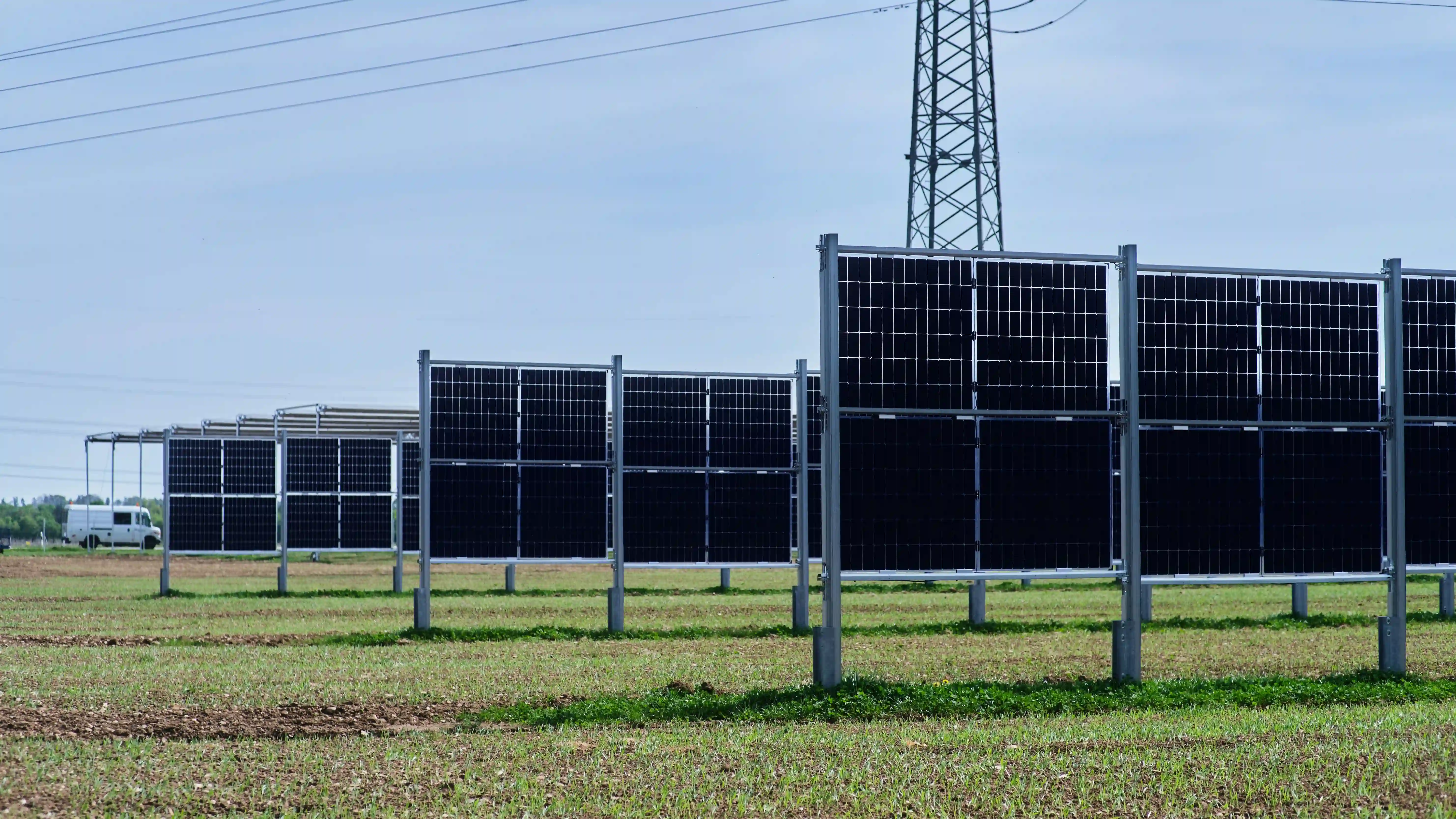
Cost Considerations
Cost is another crucial factor when comparing mono and poly JA solar panels.
Mono JA Solar Panels:
Monocrystalline panels are more expensive due to the more intricate manufacturing process and the higher purity of silicon used. While the upfront cost is higher, the superior efficiency and longer lifespan can translate to better long-term returns. In installations where space is limited or where maximizing energy output is essential, the extra investment in mono panels is often justified.Poly JA Solar Panels:
Poly panels are generally more affordable because their manufacturing process is simpler and less resource-intensive. They are ideal for budget-conscious projects or large-scale installations where space is abundant. While poly panels may produce slightly less energy, the lower upfront cost can make solar adoption more accessible for many residential and commercial users.
Durability and Lifespan
The durability and lifespan of solar panels affect both maintenance costs and long-term energy yield.
Mono JA Solar Panels:
Monocrystalline panels tend to have a longer lifespan, often exceeding 25 years of operation. The high-quality silicon and uniform crystal structure contribute to their durability and resistance to degradation over time. Many JA Solar mono panels come with robust warranties, reflecting confidence in their longevity and consistent performance.Poly JA Solar Panels:
Polycrystalline panels typically have slightly shorter lifespans, generally around 20 to 25 years. While they remain reliable over decades, they may experience slightly faster performance degradation compared to mono panels. However, for many applications, especially where cost considerations dominate, poly panels still offer an excellent balance of price and durability.
Temperature Coefficient
The temperature coefficient of a solar panel measures how much its efficiency drops as temperatures rise. This factor is critical for installations in hot climates.
Mono JA Solar Panels:
Mono panels usually have a lower temperature coefficient, meaning their performance is less affected by high temperatures. This characteristic ensures higher energy production during hot summer months, making mono panels ideal for regions with high ambient temperatures.Poly JA Solar Panels:
Poly panels generally have a higher temperature coefficient, resulting in a slightly more significant reduction in efficiency under extreme heat. While they still operate effectively in warm climates, their performance may decline more noticeably during peak summer temperatures.
Aesthetic Considerations
For residential installations, panel appearance can be an essential factor, particularly when rooftop visibility is a concern.
Mono JA Solar Panels:
Monocrystalline panels feature a uniform black appearance, which many homeowners find visually appealing. Their sleek design can blend seamlessly with modern roof tiles, enhancing the overall look of the property.Poly JA Solar Panels:
Polycrystalline panels have a blue, speckled appearance that is less uniform than mono panels. While this may not be an issue for commercial rooftops or ground-mounted arrays, some homeowners may prefer mono panels for aesthetic reasons.
Installation Flexibility
The choice between mono and poly panels can also affect installation flexibility.
Mono JA Solar Panels:
Thanks to their higher efficiency, mono panels are ideal for limited-space installations. Homeowners with small rooftops or irregularly shaped areas can achieve higher energy output using mono panels without needing additional space.Poly JA Solar Panels:
Poly panels are better suited for installations where space is abundant, such as solar farms or large commercial rooftops. Their slightly lower efficiency is offset by the ability to install more panels to achieve the desired energy output.
Environmental Impact
Both mono and poly JA solar panels are environmentally friendly alternatives to fossil fuels. However, the production process has environmental implications.
Mono JA Solar Panels:
Mono panels require higher-purity silicon, which demands more energy during manufacturing. This factor can slightly increase the initial carbon footprint of mono panels. Nevertheless, their higher efficiency and longer lifespan often offset this impact over the panel’s operational life.Poly JA Solar Panels:
Poly panels use lower-purity silicon and simpler manufacturing techniques, resulting in a slightly lower production-related environmental impact. While less efficient than mono panels, poly panels remain a sustainable energy solution that significantly reduces carbon emissions compared to conventional electricity sources.
Cost-Effectiveness Over Time
When evaluating mono vs poly JA solar panels, it is essential to consider the total cost of ownership rather than just the upfront price. Mono panels, despite higher initial costs, can generate more energy per square meter and maintain performance better over time. This advantage often translates into lower levelized cost of electricity (LCOE) and higher long-term savings. Poly panels, on the other hand, provide a cost-effective entry point for solar adoption and can still deliver substantial energy savings, particularly in large installations where space allows for more panels to compensate for lower efficiency.
Use Case Recommendations
To decide which JA Solar panel type is right for you, consider the following scenarios:
-
Residential rooftops with limited space: Mono panels are ideal due to their higher efficiency and sleek appearance.
-
Commercial or industrial installations with abundant roof area: Poly panels can offer a more budget-friendly solution while still delivering reliable energy output.
-
High-temperature environments: Mono panels may provide better performance due to their lower temperature coefficient.
-
Budget-conscious projects: Poly panels allow for more extensive installations at a lower upfront cost.
-
Aesthetic-sensitive projects: Mono panels provide a uniform, modern look that integrates well with residential architecture.
Conclusion
Both monocrystalline and polycrystalline JA Solar panels offer reliable, high-quality solutions for renewable energy generation. The decision between the two depends on various factors, including efficiency requirements, budget, available space, aesthetic preferences, and climate conditions. Mono JA solar panels excel in efficiency, space-limited applications, and aesthetics, making them suitable for residential rooftops and regions with high temperatures. Poly JA solar panels, with their lower cost and adequate performance, are ideal for large-scale installations and budget-conscious projects.
Ultimately, choosing the right JA Solar panel involves weighing the trade-offs between performance, cost, and installation constraints. By understanding the differences outlined in this article, you can make an informed decision that maximizes energy production, cost savings, and long-term satisfaction with your solar investment. Whether you opt for mono or poly JA solar panels, embracing solar energy is a step toward a more sustainable, environmentally friendly future.
http://www.jasolarworld.com
jasolarworld -
-
AuthorPosts

- You must be logged in to reply to this topic.