- This topic is empty.
-
AuthorPosts
-
30/10/2026 at 17:35 #85971
Urban drainage infrastructure plays a vital role in controlling stormwater, transporting wastewater, and protecting communities from water-related hazards. However, underground drainage facilities are constantly exposed to sediment deposits, solid waste, plant growth, and natural deterioration. Without proper maintenance, these conditions can gradually affect the performance of box culverts, resulting in poor water circulation, urban flooding, environmental contamination, and expensive repair projects.
In many cases, routine cleaning is not sufficient to resolve these complicated issues. Professional box culvert dredging combines specialized cleaning equipment, underground inspection technologies, and engineering expertise to identify potential problems and restore drainage efficiency.
Effective culvert maintenance requires more than extracting accumulated sludge. Engineers must first understand the underground drainage layout, assess the condition of the structure, identify the source of obstructions, and determine the safest and most effective maintenance approach.
Jiangsu Zhenqi Construction Engineering Co., Ltd. is one company providing integrated solutions for municipal drainage infrastructure. By combining professional technicians, modern inspection equipment, and advanced construction methods, the company helps municipalities and property operators address various underground drainage challenges.
For more information about available solutions, explore the company's box culvert dredging services.
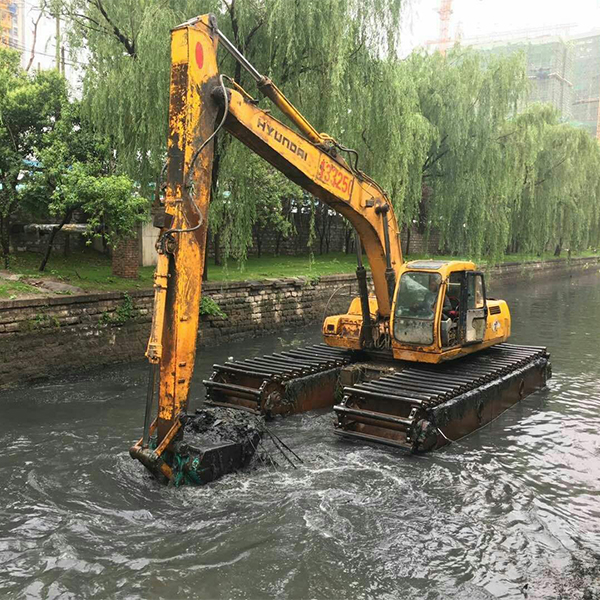
Why Is Box Culvert Maintenance Essential?
Box culverts are widely used beneath highways, residential neighborhoods, industrial facilities, commercial developments, and municipal roads. These enclosed drainage structures collect and transport water while remaining largely invisible from the ground surface.
Unlike open drainage channels, underground culverts cannot be monitored easily through regular visual observation. Consequently, sediment accumulation and structural deterioration may continue for extended periods before becoming noticeable.
Several common sources contribute to drainage deterioration:
-
Soil and sediment washed into culverts during rainfall
-
Sand, gravel, and construction residues entering drainage channels
-
Leaves, branches, and other organic materials
-
Plastic waste and improperly discarded household garbage
-
Industrial particles and contaminated sludge
-
Insufficient inspection and long-term maintenance
Identifying these problems early is essential for maintaining sufficient drainage capacity and preventing unexpected infrastructure failures.
1. Excessive Sediment Accumulation Restricts Water Movement
Sediment buildup is among the most frequent problems affecting underground box culverts.
As stormwater enters drainage systems, it carries soil particles, sand, and other suspended materials. These substances gradually settle along the culvert floor, forming deposits that become increasingly difficult to remove over time.
As sediment levels rise, the available space for water transportation decreases. This can lead to several operational problems:
-
Reduced drainage efficiency during rainfall
-
Increased water levels inside underground channels
-
Greater potential for localized flooding
-
Additional pressure on connected drainage facilities
Professional dredging operations remove accumulated deposits using appropriate methods, including vacuum suction, high-pressure water jetting, and specialized mechanical equipment.
The objective is to recover the effective hydraulic cross-section while avoiding unnecessary damage to the existing concrete structure.
2. Solid Waste Creates Persistent Drainage Blockages
Another major challenge is the accumulation of solid waste inside box culverts.
Urban drainage networks frequently receive materials that should not enter underground channels. Common examples include plastic packaging, discarded bottles, tree branches, construction debris, and other household waste.
These materials can become trapped at narrow sections or drainage connections. Once an obstruction develops, additional sediment and organic matter may accumulate around it, making the blockage progressively worse.
Before selecting a cleaning method, professional maintenance teams often conduct CCTV inspections to determine:
-
The precise location of the obstruction
-
The type and quantity of accumulated waste
-
Whether the surrounding structure has been damaged
-
Which cleaning equipment is most suitable
This inspection-based approach helps reduce unnecessary excavation, improves maintenance accuracy, and makes the entire operation more efficient.
3. Insufficient Drainage Capacity Increases Urban Flooding Risks
Flooding in urban areas can result from several factors, including extreme rainfall, inadequate drainage design, and poorly maintained underground infrastructure.
When box culverts become partially blocked, their ability to transport large volumes of stormwater may be significantly reduced. During intense rainfall, water can accumulate faster than the drainage network can discharge it.
Typical consequences include:
-
Water accumulating on public roads
-
Flooded parking areas and commercial properties
-
Standing water in residential communities
-
Traffic congestion and transportation interruptions
Regular dredging is an effective preventive maintenance measure, particularly before periods of heavy seasonal rainfall.
Instead of waiting until drainage failures occur, municipal authorities can establish scheduled inspection and cleaning programs to maintain adequate hydraulic performance throughout the year.
4. Undetected Structural Defects Can Compromise Culvert Performance
Not every drainage problem is caused by sediment or debris. In some situations, structural deterioration is the actual reason behind reduced drainage performance.
Concrete box culverts are exposed to continuous environmental and operational stresses. Over time, these conditions may contribute to:
-
Cracks in concrete surfaces
-
Displaced structural joints
-
Foundation settlement
-
Corrosion of internal reinforcement
-
Leakage and deformation
-
Deterioration of connecting sections
Removing sediment without identifying these defects may only provide a temporary improvement.
Jiangsu Zhenqi Construction Engineering Co., Ltd. offers several inspection and maintenance services designed to identify underground infrastructure problems, including:
-
CCTV drainage pipeline inspection
-
QV (Quick View) inspection
-
Trenchless pipeline rehabilitation
-
Municipal drainage system assessment
These technologies allow engineering teams to examine underground conditions, distinguish between blockages and structural defects, and recommend suitable repair strategies.
5. Contaminated Sediment Creates Environmental Concerns
Accumulated sludge inside drainage channels is not always harmless soil or sand.
Depending on the surrounding environment, sediment may contain decomposing organic materials, oil residues, industrial particles, and other pollutants. When these substances remain inside underground drainage facilities, they can create unpleasant odors and negatively affect surrounding water environments.
Potential environmental consequences include:
-
Deteriorating water quality
-
Unpleasant smells around drainage outlets
-
Contamination of nearby rivers and waterways
-
Increased risks to aquatic organisms
-
Accumulation of potentially harmful substances
Professional dredging services help remove contaminated deposits through controlled cleaning and collection procedures.
Proper handling, transportation, and disposal of extracted materials are also important considerations. Where contaminated sediment is suspected, appropriate testing and disposal procedures should be followed to minimize secondary environmental risks.
6. Combined Stormwater and Sewage Networks Cause Operational Difficulties
In older urban drainage networks, stormwater and wastewater are sometimes transported through improperly connected or combined systems.
During periods of intense rainfall, excessive water entering these networks can overwhelm existing facilities. As a result, untreated or partially treated wastewater may overflow into surrounding environments.
Common consequences include:
-
Sewage discharge during heavy rainfall
-
Increased pressure on wastewater treatment facilities
-
Pollution of nearby surface water
-
Unpleasant odors and sanitation concerns
Resolving these problems requires more than ordinary dredging.
Jiangsu Zhenqi Construction Engineering Co., Ltd. provides investigation services to identify incorrect connections between stormwater and sewage pipelines.
Through underground inspection technologies and engineering analysis, technicians can locate problematic connections and provide recommendations for corrective work. This helps improve drainage management and reduce the environmental risks associated with cross-connections.
7. Tree Roots Penetrate Underground Drainage Structures
Vegetation can also become a source of trouble for underground drainage infrastructure.
Tree roots naturally grow toward moisture and may enter drainage systems through small cracks, damaged joints, or poorly sealed connections.
Once roots penetrate a culvert, they can continue expanding and gradually obstruct the available water passage. Their presence may also trap leaves, plastic waste, and sediment, accelerating the development of blockages.
Long-term root intrusion can result in:
-
Reduced water transportation capacity
-
Persistent debris accumulation
-
Further deterioration of concrete joints
-
Increased maintenance requirements
-
Potential damage to surrounding structures
Professional cleaning equipment can remove root obstructions using methods selected according to the culvert's material and structural condition.
If root penetration is associated with damaged joints or cracks, additional rehabilitation may be necessary to prevent the problem from returning.
8. Restricted Site Access Makes Traditional Maintenance Difficult
Many underground box culverts are constructed beneath locations where excavation is inconvenient or impractical.
Typical examples include busy transportation routes, railway infrastructure, industrial facilities, commercial districts, and densely populated urban neighborhoods.
Traditional excavation-based maintenance can create significant challenges, such as:
-
Road closures and traffic disruption
-
Increased construction and restoration expenses
-
Interference with nearby commercial activities
-
Public inconvenience and safety concerns
-
Extended project completion periods
Specialized dredging and inspection equipment provides an alternative for many maintenance situations.
By using suitable underground access points and equipment designed for confined working environments, professional teams can often complete cleaning and inspection activities without extensive surface excavation.
This approach helps reduce disruption while maintaining the functionality of surrounding urban infrastructure.
9. Aging Drainage Infrastructure Requires Targeted Maintenance
Many municipal drainage facilities were installed decades ago and have continued operating under changing environmental and urban conditions.
As infrastructure ages, several problems may develop simultaneously, including concrete deterioration, joint leakage, internal corrosion, sediment accumulation, and structural fatigue.
Replacing an entire drainage system is not always necessary or economically practical.
A more efficient strategy is to conduct systematic inspections, identify sections requiring attention, and select appropriate maintenance or rehabilitation measures.
Professional box culvert dredging can restore drainage capacity where sediment is the primary issue. When structural deterioration is discovered, trenchless rehabilitation or other targeted repair technologies may provide a more suitable solution.
Combining these approaches can help extend infrastructure service life and reduce unnecessary replacement costs.
10. Incomplete Underground Infrastructure Records Affect Maintenance Planning
Reliable underground infrastructure information is essential for effective municipal drainage management.
However, some cities have incomplete pipeline records, outdated construction drawings, or insufficient information about underground drainage connections.
Without accurate records, maintenance teams may struggle to identify pipeline locations, evaluate existing conditions, or respond quickly to drainage emergencies.
Geographic Information System (GIS) technology offers an effective way to improve underground infrastructure management.
Jiangsu Zhenqi Construction Engineering Co., Ltd. also provides GIS construction services that support the digital management of municipal drainage assets.
Accurate GIS information can help municipal authorities:
-
Record the location of underground drainage facilities
-
Maintain inspection and maintenance histories
-
Identify infrastructure requiring regular attention
-
Improve emergency response efficiency
-
Support long-term municipal construction planning
Combining inspection results with digital mapping creates a more reliable foundation for drainage infrastructure management.
Why Should Inspection Be Combined with Box Culvert Dredging?
Successful drainage maintenance requires a complete understanding of underground conditions.
Simply removing visible sediment may not resolve the underlying cause of poor drainage. For example, a culvert may continue experiencing blockages because of damaged connections, tree root intrusion, or incorrectly connected pipelines.
A professional maintenance project generally follows a systematic procedure:
-
Initial site investigation: Evaluate the drainage environment, access conditions, and known operational problems.
-
Underground inspection: Use CCTV cameras or QV equipment to examine internal conditions.
-
Condition assessment: Identify sediment levels, obstructions, structural defects, and possible hydraulic restrictions.
-
Maintenance planning: Select appropriate dredging equipment and cleaning procedures.
-
Dredging and cleaning: Remove accumulated sludge, sand, debris, and other obstructions.
-
Post-cleaning inspection: Examine the cleaned sections and identify any remaining defects.
-
Repair recommendations: Determine whether additional rehabilitation or structural repairs are necessary.
-
Technical documentation: Record inspection findings and maintenance information for future reference.
Following these steps improves maintenance quality and helps reduce the possibility of recurring drainage problems.
Modern Equipment Improves Dredging Efficiency and Safety
Technological development has significantly improved the way underground drainage systems are inspected and maintained.
Modern municipal engineering projects increasingly use specialized machinery and digital inspection solutions to improve accuracy, efficiency, and operational safety.
Common technologies include:
-
High-pressure water jetting equipment: Breaks down compacted sediment and helps remove stubborn deposits.
-
Vacuum suction trucks: Collect sludge, wastewater, and loosened debris from underground channels.
-
CCTV inspection robots: Capture internal pipeline images and help engineers identify defects.
-
QV inspection equipment: Provides rapid visual assessment of accessible underground drainage sections.
-
Underwater operation equipment: Supports maintenance activities in water-filled or submerged environments where suitable.
-
GIS mapping systems: Organize underground infrastructure information and inspection records.
-
Trenchless rehabilitation technologies: Repair selected damaged pipeline sections while minimizing surface excavation.
Selecting the right combination of technologies depends on culvert dimensions, sediment characteristics, water conditions, structural integrity, and project requirements.
en.zhenqijianshe.com
Jiangsu Zhenqi Construction Engineering Co., Ltd. -
-
AuthorPosts

- You must be logged in to reply to this topic.