- This topic is empty.
-
AuthorPosts
-
28/08/2026 at 11:06 #85435
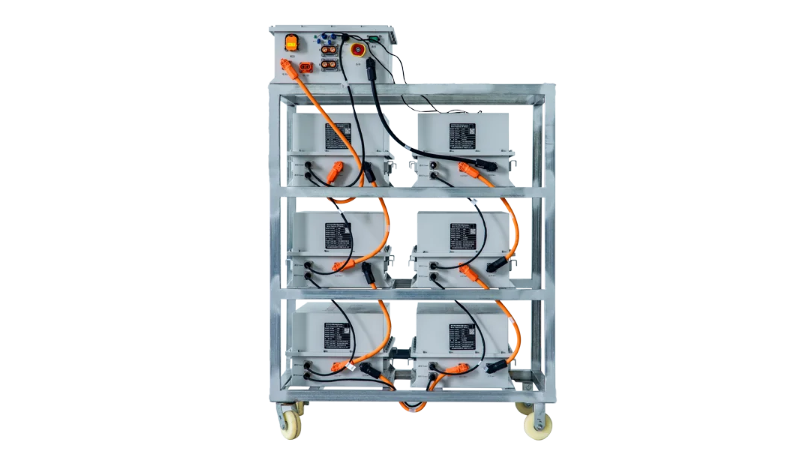
The rapid development of electric propulsion is changing the way modern vessels are designed and operated. This trend is particularly noticeable in yachts and small-to-medium-sized boats, where energy efficiency, environmental responsibility, and flexible operation are increasingly important. At the heart of this transition are advanced electric boat battery systems, which have a direct impact on a vessel's cruising range, propulsion performance, and overall energy utilization.
Today's marine battery technology goes far beyond simply storing electrical energy. A complete battery solution must work together with propulsion equipment, control systems, thermal management, and onboard electronics to provide stable and efficient power under demanding operating conditions.
The Importance of Battery Systems in Electric Marine Vessels
In an electric boat, the battery system is the primary source of energy for propulsion as well as many onboard electrical devices and auxiliary systems. Instead of continuously burning fuel like a conventional marine engine, an electric propulsion system stores electrical energy and releases it according to actual power requirements.
This operating principle offers several practical benefits:
-
Energy can be supplied according to real-time demand
-
Electric motors provide smooth and precise power delivery
-
Fewer mechanical components are required
-
Routine maintenance can be reduced compared with conventional engines
Nevertheless, simply installing a large battery does not automatically make a vessel energy efficient. The actual efficiency of an electric boat depends on battery design, power management, propulsion matching, and how effectively the complete system works together.
Why Marine Energy Efficiency Is So Important
Boats and yachts operate under conditions that are very different from land-based vehicles. Hull resistance, vessel load, currents, wind, waves, and operating speed can all influence energy consumption. As a result, improving marine energy efficiency requires more than simply reducing electrical consumption.
A more efficient battery and propulsion system can have a direct effect on:
-
Cruising range and operating endurance
-
Energy consumption during each voyage
-
Reduction of environmental emissions
-
Noise and vibration levels onboard
When a marine battery system is properly matched with the propulsion system, less energy is lost during storage, power conversion, and transmission. This allows a greater proportion of the stored electricity to be converted into useful propulsion power.
Technologies That Improve Electric Boat Battery Efficiency
Efficient marine battery systems combine several technologies rather than relying on battery cells alone. These components work together to improve performance, safety, and service life.
1. High-Energy-Density Battery Technology
Lithium-based batteries have become an important choice for electric marine propulsion. Among them, lithium iron phosphate (LFP) technology is valued for its combination of safety, cycle durability, and energy performance.
Higher energy density makes it possible to store more usable power within a relatively limited installation space. For boats where weight and available onboard space are major considerations, this can help increase cruising range without adding excessive battery mass.
2. Battery Management System
The Battery Management System, commonly known as the BMS, plays a central role in maintaining battery performance.
It continuously monitors key parameters such as voltage, temperature, current, and state of charge. Based on this information, the BMS can regulate charging and discharging processes, detect abnormal conditions, and help keep individual battery cells operating within appropriate limits.
Effective battery management not only improves energy utilization but can also contribute to longer battery service life and more reliable vessel operation.
3. Thermal Management
Temperature has a significant influence on battery efficiency and longevity. Marine battery systems may encounter changing ambient temperatures and varying operating loads, making thermal control an important part of system design.
A suitable thermal management solution helps keep battery cells within their recommended operating range. This can reduce performance losses caused by excessive heat or cold while supporting stable operation during extended voyages.
4. Energy Recovery Technology
Certain electric propulsion configurations can recover part of the energy generated when the vessel reduces speed or when propulsion conditions allow energy to flow back toward the battery.
Although the amount of recoverable energy depends on the vessel design and operating conditions, energy recovery can improve the overall utilization of stored electrical power when properly integrated into the propulsion architecture.
Connecting Battery Systems With Intelligent Marine Propulsion
Battery performance cannot be evaluated independently from the rest of the vessel's electrical and propulsion architecture. To achieve meaningful energy savings, battery systems need to communicate effectively with propulsion controllers, navigation equipment, and other onboard systems.
Modern electric marine platforms may incorporate technologies such as:
-
Intelligent motor and propulsion controllers
-
Voyage and route optimization
-
Electrical load management
-
Real-time energy monitoring
-
Automated power distribution
These technologies allow the vessel to adjust power consumption according to actual operating conditions. Instead of continuously operating at a fixed output, the propulsion system can provide the appropriate level of power for the current load and navigation requirements.
This system-level strategy is also reflected in advanced electric boat battery systems, where energy storage, power control, and marine propulsion are considered as interconnected parts of one solution.
Engineering Reliable Battery Systems for Marine Conditions
Efficiency is only one requirement for a marine battery system. Reliability is equally important because vessels are exposed to saltwater, moisture, vibration, changing temperatures, and continuously changing loads.
Battery systems intended for marine applications therefore need to meet demanding requirements for structural design, electrical protection, manufacturing consistency, and long-term durability.
Ningbo Flyshark Energy Technology Co., Ltd. focuses on this area by developing high-power new energy propulsion solutions for ships and yachts. Its solutions combine electric drive technology with intelligent control capabilities to address the requirements of modern marine transportation.
The company's engineering approach places emphasis on:
-
Quality management throughout the product lifecycle
-
Strict control of manufacturing processes
-
Ongoing research and technological development
-
Integration of autonomous navigation, intelligent driving, and Beidou positioning
By approaching the vessel as an integrated system rather than treating the battery as an independent component, energy efficiency and operational reliability can be considered together.
Practical Ways Battery Systems Increase Marine Energy Efficiency
The benefits of a well-designed electric boat battery system can be seen in several aspects of vessel operation.
More Efficient Power Conversion
Electric propulsion can reduce some of the mechanical transmission losses associated with conventional engine systems. Power from the battery is delivered to an electric motor through an electrical control system, allowing stored energy to be converted into propulsion power with high controllability.
Power Output Based on Actual Demand
An electric motor does not need to operate continuously at a high output when the vessel requires less power. Battery and propulsion controls can adjust energy delivery according to operating requirements.
This makes it easier to avoid unnecessary energy consumption during low-load conditions.
Better Energy Planning During Voyages
When battery management is connected with navigation and voyage planning systems, operators can consider factors such as distance, vessel speed, current, and weather when managing available energy.
Better planning helps prevent unnecessary power consumption and allows available battery capacity to be used more effectively throughout a trip.
Reduced Maintenance Requirements
Conventional marine propulsion systems contain numerous moving components and require regular maintenance, lubrication, and fuel-related operations. Electric propulsion systems generally have fewer mechanical components, which can simplify routine maintenance and reduce some associated energy and operational requirements.
Applications of Electric Boat Battery Systems
The adoption of electric propulsion is expanding across a growing range of marine applications. Electric boat battery systems can be found in areas including:
-
Luxury yachts and recreational boats
-
Inland waterway vessels
-
Coastal patrol and service vessels
-
Intelligent and autonomous boats
The energy savings achieved in these applications can contribute to longer operating periods, lower environmental impact, and a more comfortable experience for passengers and operators.
For leisure boats and yachts, quieter propulsion and lower vibration are particularly valuable. For commercial and service vessels, predictable energy consumption and reliable power management can help improve operational planning.
Intelligent Control and Autonomous Navigation
One of the most important developments in electric marine propulsion is the increasing use of intelligent control technologies.
Smart control systems can help vessels:
-
Adjust propulsion power according to changing water conditions
-
Manage battery charging and discharge more effectively
-
Support autonomous or semi-autonomous navigation
-
Improve the consistency of energy management
-
Reduce operational mistakes caused by manual control
Ningbo Flyshark Energy Technology Co., Ltd. has incorporated these concepts into its New Energy Intelligent Ship Power Solution. By combining autonomous navigation, intelligent driving, and Beidou positioning within an integrated architecture, the system is designed to coordinate propulsion and navigation more effectively.
Such integration demonstrates that marine energy efficiency is not simply a matter of selecting a better battery. Intelligent decision-making and control can also play an important role in determining how efficiently stored energy is ultimately used.
Current Challenges and Future Trends
Although electric propulsion technology has advanced considerably, marine battery systems still face several practical challenges.
These include:
-
Limited energy density for long-distance marine operations
-
The need for convenient and reliable charging facilities
-
Complexity involved in integrating multiple electrical systems
-
Requirements for long-term operation in harsh marine environments
Continued research is expected to improve these areas. Developments in solid-state battery technology, high-speed charging, advanced thermal management, and intelligent energy control could further improve the performance of electric vessels.
In the longer term, marine propulsion is likely to move toward highly integrated energy platforms. Battery storage, electric motors, power electronics, navigation systems, and intelligent control technologies will increasingly operate as parts of a coordinated system rather than as independent components.
Conclusion
electric boat battery systems are becoming a fundamental part of the transition toward more efficient marine transportation. By combining advanced battery chemistry with intelligent battery management, thermal control, efficient propulsion, and smart navigation, electric vessels can make better use of stored energy while reducing noise, emissions, and unnecessary operational losses.
Ningbo Flyshark Energy Technology Co., Ltd. is contributing to this development through its focus on high-power new energy propulsion systems and intelligent marine technologies. Its approach combines electric drive systems, smart controls, autonomous navigation, and Beidou positioning to create a more integrated solution for modern ships and yachts.
As marine electrification continues to develop, battery technology will remain a key factor in determining vessel performance. The next generation of electric boats will increasingly depend not only on improved battery capacity, but also on intelligent system integration that enables every unit of stored energy to be used as efficiently as possible.
http://www.flysharkmarine.com
Ningbo Flyshark Energy Technology Co., Ltd. -
-
AuthorPosts

- You must be logged in to reply to this topic.