- This topic is empty.
-
AuthorPosts
-
27/11/2026 at 15:08 #86293
Insect pests pose a constant threat to agricultural production, affecting both crop development and final harvest quality. Some insects feed on leaves, stems, and fruits, while others extract plant nutrients through sucking activities. When pest populations increase or multiple species attack crops simultaneously, the resulting damage can lead to considerable economic losses. In addition, repeated exposure to the same insecticide active ingredient may gradually reduce its effectiveness as pest resistance develops.
Insecticide mixtures provide an effective option for managing these complex pest control challenges. By combining compatible active ingredients with different modes of action, these formulations can target a wider range of insect pests and support more comprehensive crop protection programs. Their effectiveness, however, depends on proper product selection, pest identification, formulation compatibility, and responsible application practices.
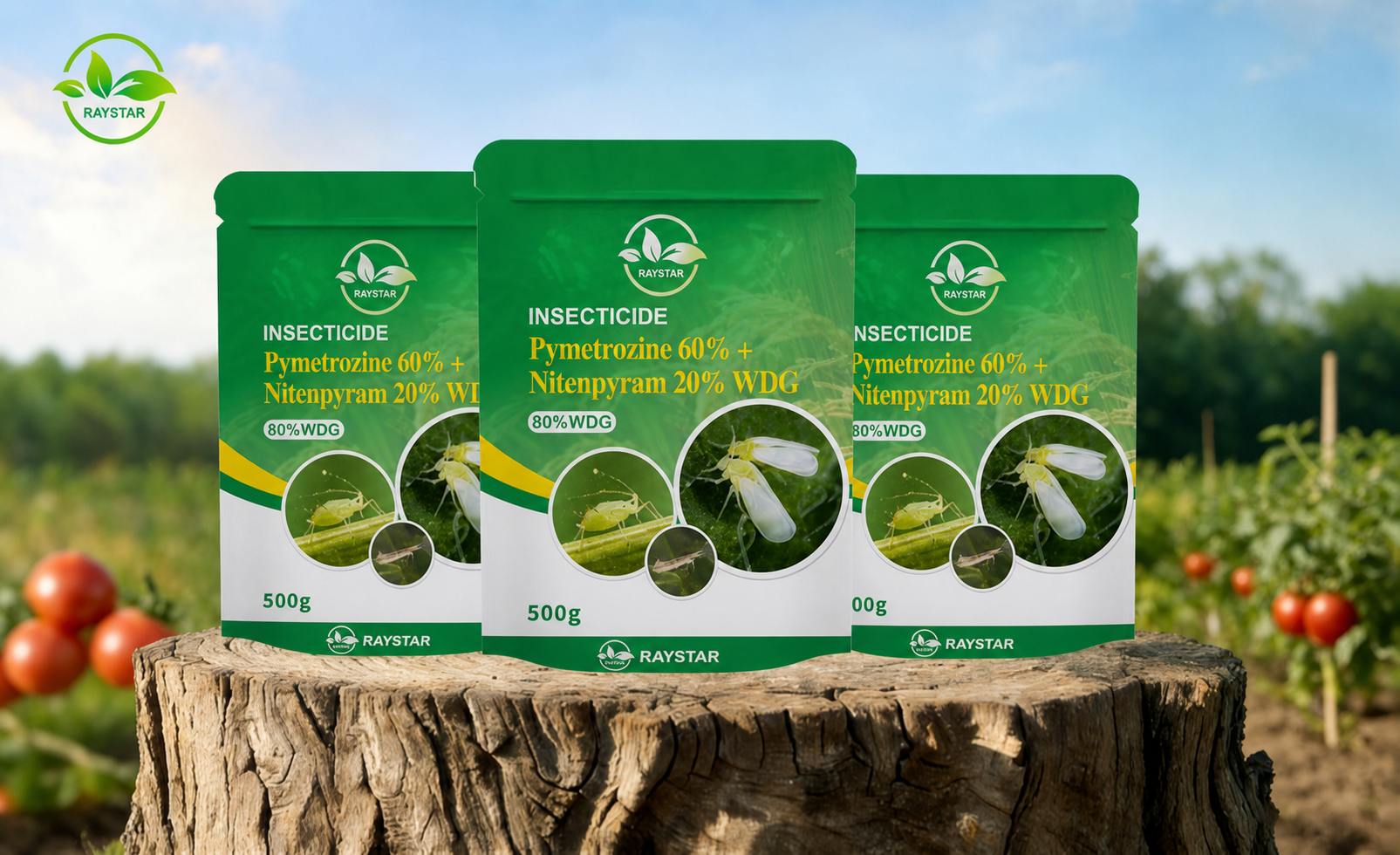
1. Why Do Agricultural Producers Need Insecticide Mixtures?
In most agricultural environments, crops are rarely threatened by just one insect species. Different pests may appear throughout the growing season, sometimes attacking the same crop at overlapping stages.
For example, cotton growers may need to manage aphids, whiteflies, and bollworms within the same production cycle. Vegetable farmers often encounter caterpillars, thrips, leafminers, and other insects that affect plant growth and marketable quality. Since these pests have different feeding patterns and biological characteristics, a single insecticide may not provide adequate control across all target species.
Insecticide mixtures help address this challenge by bringing together active ingredients with complementary pest control properties. When properly formulated, they can expand the range of pests covered by a crop protection treatment and make pest management programs more adaptable.
Resistance management is another important reason for considering insecticide mixtures. Continuous use of insecticides belonging to the same mode-of-action group can create strong selection pressure. Over time, less susceptible insects may survive treatment and pass their resistance traits to subsequent generations.
Combining effective active ingredients with different modes of action may help reduce the risk of resistance developing against individual components. However, this benefit is not guaranteed. Each component must independently provide effective control against the relevant target pest at the recommended application rate. Proper rotation of insecticide modes of action should also remain part of the overall pest management strategy.
2. How Can Insecticide Mixtures Enhance Pest Control Performance?
The pest control performance of an insecticide mixture is influenced by its active ingredients, formulation characteristics, and intended application. When these factors are appropriately matched, mixtures can offer several practical advantages.
Wider Pest Control Spectrum
Different insecticide active ingredients are developed to control different insect groups. Some primarily affect chewing pests, whereas others are more effective against insects with sucking mouthparts.
By combining suitable ingredients, insecticide mixtures can help address multiple pest populations within one crop protection program. This is particularly useful in agricultural fields where several insect species are present at the same time.
For example, cotton, vegetable, and fruit crops may experience simultaneous infestations from both chewing and sucking insects. A properly selected formulation with complementary activity can help farmers manage these overlapping threats more efficiently.
A broader control spectrum can also simplify treatment planning. Nevertheless, growers should confirm that the product is approved for the relevant crop and target pests rather than assuming that every mixture provides universal insect control.
Complementary Modes of Action
Insecticides control pests through different biological pathways. Depending on the active ingredient, they may interfere with the insect nervous system, disrupt energy metabolism, affect growth and development, or influence other essential physiological functions.
Combining compatible active ingredients with different modes of action can provide complementary effects against target pests. This approach is especially relevant when conventional single-active-ingredient treatments deliver insufficient control.
However, different modes of action do not automatically mean that a mixture will produce a synergistic effect. The actual performance depends on the characteristics and proportions of the ingredients, as well as the susceptibility of the target pest. Product efficacy should therefore be supported by appropriate laboratory evaluations and field testing.
Improved Pest Management Reliability
Agricultural field conditions can change considerably during a growing season. Temperature, rainfall, humidity, crop development, pest density, and spraying conditions may all influence insecticide performance.
A carefully developed insecticide mixture can provide more flexible pest management when several target species have different susceptibilities or feeding behaviors.
At the same time, product selection alone cannot guarantee satisfactory results. Proper spray coverage, suitable application timing, equipment calibration, and compliance with product instructions are equally important for achieving consistent control under field conditions.
3. How Insecticide Mixtures Are Used in Different Agricultural Crops
The pest control requirements of different crops vary according to their growing environments, development stages, and common insect threats. Insecticide mixtures can be incorporated into crop-specific protection programs when their ingredients and registrations are appropriate.
Insect Pest Management in Cotton
Cotton production involves several major insect-related challenges. Common pests include cotton bollworms, aphids, whiteflies, and thrips, which may attack different plant parts throughout the growing season.
Chewing pests can damage leaves, flowers, and developing cotton bolls, while sucking insects may weaken plants by extracting nutrients and interfering with normal growth.
When multiple pest groups reach damaging levels at the same time, an appropriately selected insecticide mixture may provide a more comprehensive control option. Formulations containing active ingredients with complementary activity can be considered when both chewing and sucking insects require management.
Before treatment, farmers should inspect fields regularly, identify the dominant pest species, and assess their population levels. They should also consider the potential effects of broad-spectrum insecticides on beneficial insects and natural predators.
Insect Pest Management in Vegetable Crops
Vegetables such as tomatoes, peppers, cabbage, cucumbers, and other commercially cultivated crops are susceptible to a wide variety of insect pests.
Caterpillars may feed on leaves and fruits, while aphids, thrips, and whiteflies can weaken plants and, in some cases, transmit plant viruses. These infestations may reduce crop appearance, productivity, and commercial value.
Insecticide mixtures can be useful when several economically important pests occur together and require timely treatment. However, vegetable growers must pay particular attention to food safety and pesticide residue management.
Before applying any formulation, it is necessary to verify crop registration, application intervals, pre-harvest intervals, maximum residue limits, and permitted application frequency. Following approved product labels and local agricultural regulations is essential, especially for vegetables harvested frequently.
Insect Pest Management in Fruit Orchards
Fruit trees are exposed to different insect threats throughout flowering, fruit development, and harvesting periods. Common examples include fruit borers, scale insects, leafrollers, and aphids.
Some insects damage young fruits, while others feed on leaves, branches, or flowers. Since different pests may become active at different times, orchard protection programs require careful monitoring and treatment scheduling.
An appropriate insecticide mixture may help manage overlapping pest infestations when the selected active ingredients are registered for the fruit crop and effective against the identified species.
Application timing is particularly important in orchards. Growers should consider flowering periods, fruit development stages, harvest schedules, and restrictions related to pollinator protection. Treatments should be planned according to approved labels and integrated pest management recommendations.
4. What Should Be Considered When Choosing an Insecticide Mixture?
Selecting an insecticide mixture requires more than comparing product names or the number of active ingredients. Several technical and practical factors should be evaluated before a formulation is introduced into an agricultural program.
Identify the Main Pest Species
Accurate pest identification should always come first. Farmers need to determine whether crop damage is caused by chewing insects, sucking insects, mites, or other agricultural pests.
Different species may respond differently to the same active ingredient. Pest population density and developmental stages should also be considered when evaluating treatment requirements.
Compare the Modes of Action
The insecticide classification of each active ingredient should be reviewed before selecting a mixture. Products with different modes of action may offer complementary control, provided that each component is effective against the target pest.
Farmers and agricultural advisors should also consider established resistance management guidelines. Simply combining two active ingredients does not automatically prevent resistance or replace the need for insecticide rotation.
Check Formulation Compatibility
Active ingredients can be manufactured in different formulation types, each with specific physical and chemical characteristics.
When different products are mixed, incompatibility may result in precipitation, sediment formation, separation, reduced stability, or problems during spraying. Therefore, compatibility should be confirmed through appropriate testing before tank mixing.
Using a professionally developed and quality-controlled formulation can help reduce these potential problems.
Evaluate Crop Tolerance and Safety
An insecticide mixture must be suitable not only for the target pest but also for the crop being protected.
Certain ingredients, concentrations, or environmental conditions may increase the risk of phytotoxicity. Growers should follow crop-specific application recommendations and conduct appropriate small-scale crop safety assessments when necessary.
Verify Local Registration and Regulatory Requirements
Pesticide regulations differ between countries and agricultural markets. A formulation approved for one crop or pest in one market may not be permitted for the same application elsewhere.
Before recommending or using an insecticide mixture, users should confirm its registration status, approved target crops, application rates, residue requirements, and other relevant regulatory conditions.
5. Practical Recommendations for Applying Insecticide Mixtures
Even a technically advanced insecticide formulation may deliver unsatisfactory results if it is not used correctly. Proper field management is essential for maximizing treatment effectiveness and reducing unnecessary pesticide exposure.
Monitor Pest Populations Before Treatment
Regular field inspections help farmers understand when pest populations begin to increase and whether they have reached economically damaging levels. Treatment decisions should be based on actual field conditions rather than following a fixed spraying schedule.
Follow the Approved Application Rate
Always apply insecticide mixtures according to the product label and local regulatory recommendations. Increasing the dosage beyond the approved rate does not necessarily improve pest control. It may instead increase the possibility of crop damage, pesticide residues, and environmental contamination.
Maintain Proper Spraying Conditions
Application quality has a direct influence on pesticide performance. Equipment calibration, nozzle selection, spray volume, water quality, and weather conditions should all be considered.
Appropriate spray coverage helps ensure that the formulation reaches the intended pest habitats and plant surfaces.
Combine Chemical Control with IPM Strategies
Insecticide mixtures should be incorporated into an integrated pest management (IPM) program rather than used as the only method of controlling insects.
Other useful practices include crop rotation, removal of infested plant residues, biological control, resistant crop varieties, field sanitation, and regular pest monitoring. Combining these measures can reduce unnecessary chemical applications and support more sustainable agricultural production.
Keep Detailed Application Records
Farmers should document the products used, active ingredients, application dates, target pests, treatment rates, and field performance.
These records provide useful information for evaluating insecticide effectiveness, identifying potential resistance problems, and improving future crop protection decisions.
6. The Importance of Reliable Insecticide Formulations in Modern Agriculture
Product formulation quality is a major factor influencing insecticide stability, handling characteristics, and practical application performance. For agricultural distributors, importers, and crop protection businesses, choosing a dependable manufacturer is therefore essential to maintaining product consistency and supply reliability.
HUBEI RAYSTAR BIOTECHNOLOGY CO., LTD. is a high-tech agricultural chemical enterprise established in 2014. The company specializes in the research and development, manufacturing, and international distribution of crop protection products.
Supported by multiple modern production bases, advanced manufacturing facilities, and an established quality management system, Raystar implements quality control throughout its manufacturing operations. Its production capabilities cover different stages, from technical material synthesis to finished formulation processing, helping maintain consistent product standards.
Product development is another important part of the company's operations. With the support of experienced agronomists and technical professionals, Raystar works on crop protection solutions designed to address different agricultural requirements, pest control challenges, and international market demands.
Its range of insecticide mixture products provides agricultural customers with different formulation options for crop-specific pest management needs. Distributors and buyers can explore the available products to learn more about their compositions, characteristics, and potential applications.
Beyond manufacturing, Raystar also offers assistance with product registration and regulatory compliance. Its experience in international agricultural markets enables the company to support customers in understanding different market requirements and preparing products for local market entry.
At present, Raystar exports its agricultural products to more than 60 countries and regions. Through its production capabilities, international supply chain, and understanding of regional crop protection requirements, the company continues to serve agricultural partners across diverse farming environments.
7. Developing Smarter Crop Protection Strategies with Insecticide Mixtures
Insecticide mixtures have become an important option in modern agricultural pest management. By combining compatible active ingredients with complementary modes of action, they can help growers address multiple insect threats, expand pest control coverage, and develop more flexible crop protection programs.
Nevertheless, effective pest management requires more than selecting a mixture with multiple active ingredients. Accurate pest identification, appropriate formulation selection, compatibility evaluation, correct application timing, and compliance with local regulations all contribute to successful results.
Insecticide mixtures should also be used alongside integrated pest management practices, including field monitoring, biological control, and responsible insecticide rotation. This balanced approach helps improve treatment efficiency while reducing unnecessary pesticide use and resistance-related risks.
For agricultural importers, distributors, and crop protection companies, manufacturer selection is equally important. Production quality, formulation development capabilities, technical support, and international regulatory experience all contribute to a reliable product supply.
HUBEI RAYSTAR BIOTECHNOLOGY CO., LTD. remains committed to developing quality crop protection products and building long-term partnerships with agricultural businesses worldwide. Through continued investment in manufacturing, research, and international cooperation, Raystar aims to provide practical insecticide solutions that help agricultural partners respond to evolving pest management requirements.
http://www.raystaragro.com
HUBEI RAYSTAR BIOTECHNOLOGY CO., LTD -
AuthorPosts

- You must be logged in to reply to this topic.