- This topic is empty.
-
AuthorPosts
-
30/10/2026 at 18:14 #85974
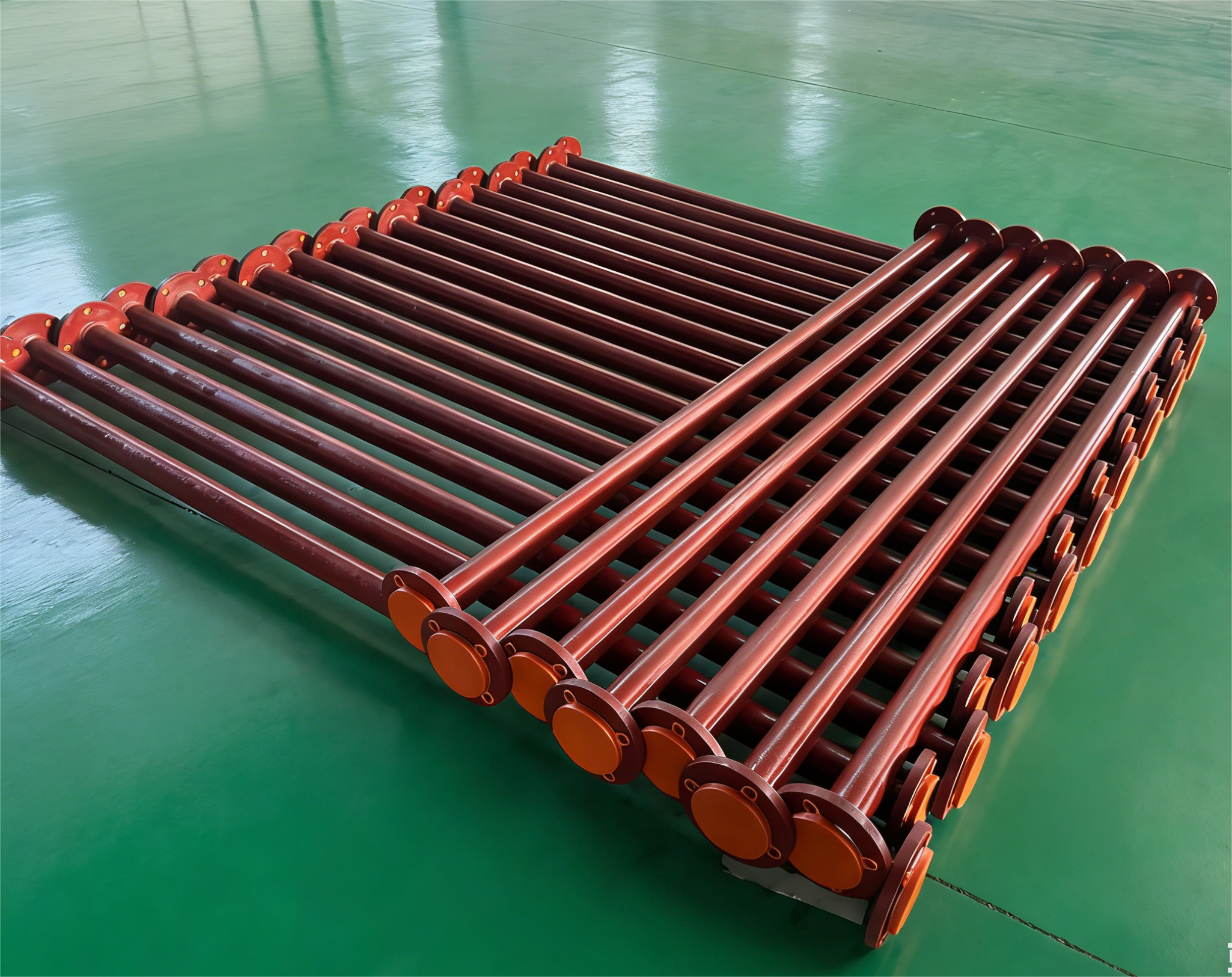
In chemical production and processing facilities, pipeline systems frequently come into contact with aggressive substances such as acids, alkalis, organic solvents, and oxidizing chemicals. Using conventional metal pipes in these environments may result in corrosion, fluid contamination, leakage, and increased maintenance costs. A molded PTFE lined straight pipe offers an effective alternative, combining the structural stability of a steel pipe with the excellent chemical resistance of polytetrafluoroethylene (PTFE).
Nevertheless, choosing a suitable PTFE lined pipe involves more than determining its diameter and ordering the required quantity. Factors such as chemical compatibility, operating temperature, internal pressure, vacuum exposure, connection specifications, and installation conditions all need to be evaluated. Making the right decision helps minimize corrosion risks, extend pipeline service life, and maintain reliable operation throughout the production system.
For industrial processes that handle highly corrosive substances, a molded PTFE lined straight pipe is worth considering when chemical protection and mechanical strength are both essential.
1. Identify the Chemical Properties of the Transported Medium
Understanding the material flowing through the pipeline should be the starting point of the selection process.
Simply describing the application as involving corrosive chemicals does not provide enough information for accurate material selection. Manufacturers need to know the specific chemical composition, concentration, operating temperature, potential impurities, and whether the transported medium changes under different production conditions.
PTFE is valued for its broad chemical compatibility and relatively inert surface. It can withstand many aggressive acids, alkalis, organic solvents, and oxidizing substances. However, compatibility must still be verified against the actual operating environment rather than assumed based on the material category alone.
This consideration becomes particularly important in facilities where pipelines are exposed to multiple substances during normal production, equipment cleaning, flushing, or changes in manufacturing procedures.
For instance, an acid transportation line may require different technical considerations from a pipeline used in pharmaceutical production or lithium battery material processing. Therefore, the liner material should be assessed against the entire process flow and all anticipated operating conditions.
2. Evaluate the Operating Temperature Range
Temperature is one of the major factors influencing the service performance of PTFE lined piping.
The requirements for a pipeline working under ordinary ambient conditions can differ considerably from those for equipment continuously transporting hot chemicals. Temperature variations may affect the dimensions of the PTFE liner, the pressure-bearing capacity of the pipe, its resistance to vacuum, and the bonding or contact conditions between the lining and steel body.
According to Kanghua Mingfu's product information, its molded PTFE lined straight pipes are designed for operating temperatures of approximately -20°C to 180°C. The recommended maximum length of an individual pipe section also varies depending on the temperature conditions. At elevated temperatures, using shorter sections may help accommodate thermal expansion and reduce the risk of liner deformation, bulging, or separation.
When discussing a project with a manufacturer, buyers should provide the following temperature-related details:
-
Normal operating temperature
-
Highest and lowest expected temperatures
-
Frequency and extent of temperature fluctuations
-
Heating and cooling cycles
-
Whether steam cleaning or high-temperature flushing is required
Selecting a pipe according to its normal operating temperature alone may create problems if the system regularly experiences short-term temperature increases or repeated thermal cycling.
3. Evaluate Positive Pressure and Negative Pressure Requirements
Pressure resistance deserves careful attention when specifying a PTFE lined straight pipe.
Although many industrial pipelines operate under positive pressure, certain operating stages may generate negative pressure. This can happen during fluid discharge, cooling, pump operation, or equipment shutdown. Consequently, a pipeline suitable for positive-pressure service may not automatically meet the requirements of a vacuum environment.
In a lined pipe structure, the steel outer body provides mechanical support, while the internal PTFE layer protects the substrate from direct chemical contact. Both components must maintain their intended performance under the pressure conditions encountered during operation.
Kanghua Mingfu's published specifications indicate that its standard molded PTFE lined straight pipes can operate within an approximate pressure range of -0.09 MPa under negative pressure and up to 1.6 MPa under positive pressure. Applications involving more demanding vacuum conditions may require additional engineering evaluation or special structural designs.
For systems that regularly switch between positive pressure and vacuum, these operating characteristics should be communicated to the manufacturer before the final specification is confirmed.
4. Determine the Appropriate Diameter and Pipe Length
Correct dimensional selection is essential for maintaining stable flow and ensuring convenient installation.
The nominal diameter should correspond to the required fluid flow rate and the design of the existing pipeline. Meanwhile, the length of each pipe section should be determined with consideration for installation space, operating temperature, and possible thermal expansion.
When relatively long PTFE lined sections are exposed to temperature changes, dimensional movement can become more noticeable. For this reason, manufacturers may recommend different maximum section lengths depending on the intended operating temperature.
Kanghua Mingfu offers molded PTFE lined straight pipes in nominal diameters ranging from DN15 to DN600. Customized lengths can also be considered according to specific project requirements and operating conditions.
When purchasing replacement piping, providing the nominal diameter alone is insufficient. Buyers should also confirm the following specifications:
-
Nominal pipe diameter
-
Required overall length
-
Flange dimensions and configuration
-
Applicable flange standard
-
Connection orientation
-
Center-to-center or centerline dimensions
-
Operating temperature range
-
Available installation space
Accurate measurements help prevent alignment difficulties and compatibility issues, especially when the new pipe must connect to existing pumps, valves, elbows, or other process equipment.
5. Examine the PTFE Lining Structure and Production Technology
The manufacturing process is another important consideration when evaluating lined piping products.
The PTFE layer serves as the primary protective barrier between the transported chemicals and the metal substrate. Its material quality, thickness, structural integrity, and manufacturing consistency therefore have a direct influence on the reliability of the finished pipe.
Kanghua Mingfu manufactures its molded straight pipes using national-standard seamless steel pipes as the supporting substrate. An integral PTFE lining is formed and sintered on the inner wall. According to the company, this manufacturing approach is intended to achieve close integration between the lining and the steel body while protecting the metal substrate from corrosive substances.
Before placing an order, purchasers should understand the manufacturer's production and quality-control arrangements. Relevant questions include:
-
What grade and source of PTFE material are used?
-
What is the specified lining thickness?
-
Which molding and sintering processes are applied?
-
How is lining integrity evaluated?
-
What steel pipe specifications are available?
-
What dimensional tolerances can be achieved?
-
Which flange standards are supported?
-
What inspection and testing procedures are performed?
For applications requiring particularly high fluid purity, the origin, grade, and cleanliness of the PTFE raw material should also be included in the technical assessment.
6. Match the Pipe With the Required Fluid Purity
In certain industries, preventing corrosion is only one part of the pipeline design requirements. Avoiding contamination is equally important.
When transporting sensitive chemical materials, contact between the process fluid and a metal substrate may introduce unwanted metallic impurities. A properly designed PTFE lining creates a protective separation between the transported medium and the steel pipe body.
This characteristic makes PTFE lined piping relevant to applications in pharmaceutical manufacturing, electronics, lithium battery production, and fine chemical processing.
Kanghua Mingfu indicates that its molded straight pipes use virgin PTFE material without additional additives and are intended to support high-purity fluid transportation.
If a project has strict cleanliness or contamination-control requirements, these expectations should be discussed during the initial technical consultation. Addressing purity requirements before manufacturing is more effective than attempting to resolve compatibility issues after installation.
7. Assess the Characteristics of the Internal Surface
The internal finish of a pipeline can influence fluid movement, material retention, and cleaning efficiency.
PTFE naturally features a smooth surface with low adhesion characteristics. This can be advantageous when handling viscous fluids, chemicals prone to crystallization, or materials that tend to accumulate on conventional pipe walls.
Because substances are less likely to adhere strongly to a suitable PTFE surface, pipeline flushing and routine cleaning may also become more convenient.
However, chemical resistance and surface properties are not the only factors that matter. If the transported medium contains solid particles or abrasive materials, the potential wear of the lining should also be evaluated. The selection process should consider the physical characteristics of the medium in addition to its chemical composition.
8. Verify Flange Specifications and Connection Compatibility
Even a high-quality PTFE lined pipe can create installation problems if its connection dimensions are inconsistent with the existing piping system.
Industrial projects may follow different flange standards, including HG, GB, JB, ANSI, JIS, and DIN. Kanghua Mingfu provides several flange standard options for its molded PTFE lined straight pipes to accommodate different installation requirements.
Before confirming an order, buyers should identify the applicable standard used throughout the existing system.
Other details also deserve attention, including the mating flange dimensions, gasket arrangement, bolt-hole pattern, pressure rating, and installation direction. These specifications are especially important in equipment replacement projects, where the new pipe is expected to fit the original pipeline without extensive modifications.
Checking connection compatibility in advance can reduce installation delays and avoid unnecessary additional costs.
9. Select a Manufacturer With Established Industry Experience
The performance of a PTFE lined pipe depends on much more than the quality of its steel substrate or internal lining. Raw material selection, molding technology, dimensional accuracy, flange processing, and final inspection all contribute to the reliability of the finished product.
Dongyang Kanghua Mingfu Chemical Equipment Co., Ltd. was established in 2024 in Huxi Industrial Zone, Dongyang, Zhejiang. Its technical and industrial background draws on more than 20 years of experience inherited from Dongyang Kanghua Chemical Equipment Factory.
The company specializes in fluoroplastic corrosion-resistant equipment, specialized industrial piping, precision fittings, PTFE products, and industrial sealing solutions. Its product portfolio includes steel-lined fluoroplastic corrosion protection equipment, lined pipes, fittings, and related components.
According to the company, its qualifications include ISO 9001 certification, multiple utility model patents, and a special equipment manufacturing license. Its products and technical experience serve various industrial sectors, including hydrofluoric acid processing, pharmaceutical production, silicone manufacturing, fine chemicals, lithium battery materials, metal pickling, pesticide production, and electroplating.
For industrial purchasers, working with a manufacturer that understands actual process requirements is important. A capable supplier should be able to evaluate operating conditions, discuss technical details, and recommend an appropriate product configuration instead of simply offering a standard pipe specification.
10. Prepare Complete Technical Specifications Before Purchasing
Providing detailed project information at the inquiry stage can make product selection more accurate and efficient.
Rather than requesting a quotation based only on pipe diameter, buyers should prepare a complete set of technical requirements for the manufacturer to review.
A typical inquiry should cover:
-
Name and concentration of the transported chemical medium
-
Normal and maximum operating temperatures
-
Working pressure and potential vacuum conditions
-
Required nominal pipe diameter
-
Individual pipe length
-
Applicable flange standard
-
Connection and installation dimensions
-
Fluid purity and contamination-control requirements
-
Environmental and installation conditions
-
Special requirements, including anti-static properties or customized structural designs
With these details available, the manufacturer can assess the application more accurately and determine whether a standard configuration is appropriate or whether a customized solution is necessary.
Conclusion
Selecting a molded PTFE lined straight pipe for corrosive chemical transportation requires a comprehensive evaluation of the entire operating environment. Chemical compatibility, temperature limits, positive and negative pressure, pipe dimensions, lining technology, fluid purity, flange specifications, and installation conditions should all be considered before making a purchasing decision.
For demanding applications in chemical processing, pharmaceuticals, lithium battery manufacturing, and fine chemical production, a properly specified PTFE lined pipe can provide reliable protection against aggressive substances while retaining the structural support of a steel pipeline.
Dongyang Kanghua Mingfu Chemical Equipment Co., Ltd. brings together fluoroplastic processing capabilities and extensive experience in chemical equipment manufacturing. Its molded PTFE lined straight pipes are developed for corrosive and high-purity fluid transportation, with customizable dimensions and connection configurations to suit different industrial requirements.
Ultimately, successful pipe selection begins with an accurate understanding of the actual process. Once the chemical medium, temperature range, pressure conditions, vacuum requirements, dimensions, and connection standards have been clearly established, buyers can work with the manufacturer to identify a PTFE lined straight pipe that meets the technical demands of the application and integrates properly with the existing piping system.
http://www.mingfuptfeequip.com
Dongyang Kanghua Mingfu Chemical Equipment Co., Ltd. -
-
AuthorPosts

- You must be logged in to reply to this topic.