- This topic is empty.
-
AuthorPosts
-
21/09/2026 at 13:43 #85650
Peel-off masks have remained popular in skincare because they offer a simple way to refresh the skin while creating a satisfying at-home treatment experience. Unlike traditional wash-off masks, a peel-off formula forms a thin film over the skin that can be removed after drying. When properly formulated, this film can help lift away surface impurities, excess oil, and dead skin cells without requiring aggressive scrubbing.
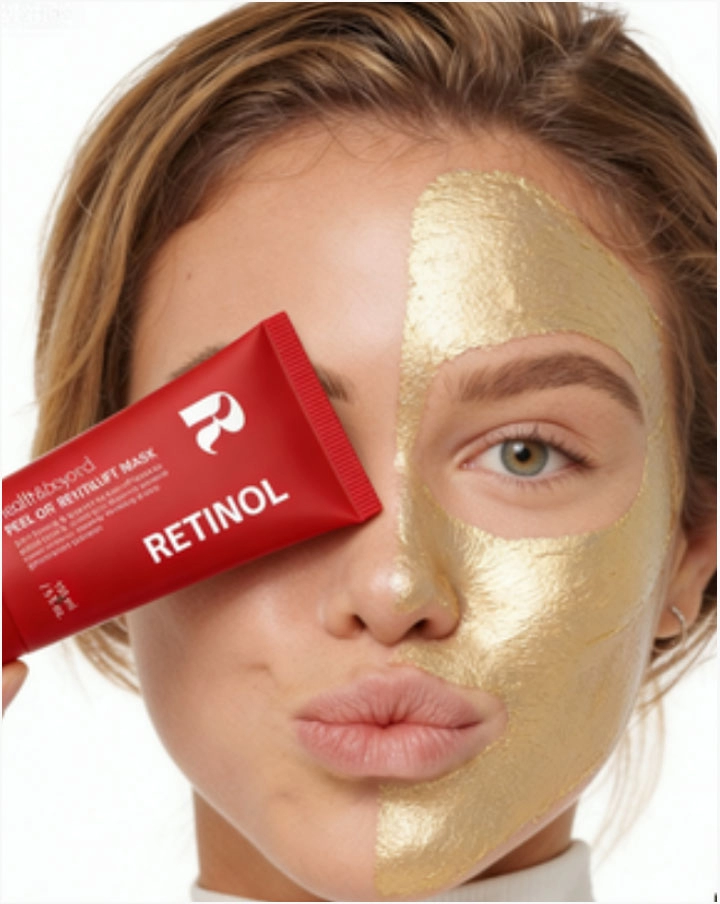
Health&Beyond has introduced a new Shimmer Peel-Off Mask that combines the familiar peeling experience with moisturizing, soothing, and skin-renewing ingredients. The formula is designed around gentle exfoliation while incorporating jojoba oil, white pond lily oil, olive fruit oil, retinyl palmitate, and vitamin E. This combination makes the product suitable for beauty brands looking to develop differentiated facial mask collections for international markets.
This article explores how a modern peel-off mask works, what ingredients can contribute to the overall skincare experience, and what beauty brands should consider when developing or sourcing this type of product.
What Is a Peel-Off Mask?
A peel-off mask is a facial treatment formulated to create a flexible film after application. The product is generally spread across the skin in an even layer and allowed to dry for a specified period. Once the film has set, it can be gently peeled away.
The physical removal process distinguishes a peel-off facial mask from clay masks, sheet masks, sleeping masks, and conventional cream masks. Instead of rinsing the formula from the face, users remove the dried film directly.
The appeal of this format comes from several factors:
-
It provides a visible and tactile skincare ritual.
-
It can remove surface buildup without mechanical scrubbing.
-
It can help reduce excess oil on the skin surface.
-
It leaves the skin feeling refreshed and smoother.
-
It can be combined with moisturizing and soothing ingredients.
-
It offers opportunities for distinctive textures, colors, finishes, and sensory experiences.
However, the quality of the film is extremely important. A mask that adheres too strongly or dries unevenly can make removal uncomfortable. For this reason, modern formulations increasingly focus on creating a balanced peeling experience rather than simply maximizing adhesion.
Why Gentle Peeling Matters in Facial Skincare
Exfoliation is commonly associated with removing dead cells from the skin's surface. While exfoliation can help improve the appearance and feel of the complexion, excessive or overly aggressive exfoliation may leave skin feeling dry or uncomfortable.
This is where formulation plays an important role.
A well-designed peel-off mask should form a cohesive film that can be removed in a controlled manner. The goal is not to make the mask as difficult to remove as possible. Instead, the film should provide sufficient structure to lift surface impurities while remaining flexible enough to minimize unnecessary pulling.
Health&Beyond's Shimmer Peel-Off Mask is designed around this concept. Its smooth film-forming texture supports easy peeling, helping create a more comfortable experience while still providing the refreshing effect consumers expect from a peel-off treatment.
For brands developing private-label skincare, this balance can be particularly important. Consumers may remember not only whether a product made their skin feel clean, but also how comfortable and enjoyable the application and removal process was.
How Does a Peel-Off Facial Mask Work?
The basic mechanism of a peel-off mask is relatively straightforward.
After application, the formula gradually loses moisture and forms a continuous film. As the film dries, it captures and surrounds some surface oil, residue, and loose dead skin cells. When the dried layer is removed, these materials can be lifted away with the film.
The result is primarily a surface-level cleansing and exfoliating effect.
A peel-off treatment should not be viewed as a replacement for cleansing or as a way to physically remove deeply embedded impurities from pores. Instead, it can complement a normal skincare routine by providing periodic surface exfoliation.
The experience can also make the skin feel temporarily smoother because surface buildup has been reduced. When the formula contains moisturizing ingredients, the post-mask sensation can be more comfortable than that associated with purely oil-absorbing formulations.
The Role of Exfoliation in Skin Texture
Uneven skin texture can be influenced by several factors, including accumulated dead skin cells, excess sebum, dehydration, environmental exposure, and the natural skin renewal process.
Removing some of the surface buildup can make the complexion appear fresher and feel smoother. This is one reason exfoliating masks continue to have a place in facial skincare routines.
A peel-off mask offers a physical form of exfoliation through film removal. Compared with abrasive scrubs, it does not require users to massage particles repeatedly across the skin. This can create a different sensory experience and may appeal to consumers who prefer a cleaner, more streamlined application.
At the same time, exfoliation should be appropriate for the intended skin type and usage frequency. More exfoliation is not automatically better. Product instructions, formulation quality, and individual skin tolerance all influence the overall experience.
Excess Oil and the Appearance of Pores
Excess surface oil can make the complexion look shiny and may contribute to a heavier, less refined appearance. Oil-control skincare therefore remains an important category for consumers with combination or oily skin.
A peel-off mask can help remove some of the oil and residue sitting on the skin surface. After removal, the skin may feel cleaner and less greasy.
This does not mean that a peel-off mask permanently reduces pore size. Pores are natural structures and cannot simply be eliminated through topical skincare. However, reducing surface oil and buildup can temporarily make their appearance less noticeable.
For brands, this distinction is useful when developing product claims. Clear, realistic positioning can help create more credible skincare communication than exaggerated promises.
Key Ingredients in Health&Beyond's Shimmer Peel-Off Mask
The performance and sensory profile of a facial mask depend on more than its peeling function. Health&Beyond's formula combines the film-forming treatment with several conditioning ingredients to create a more balanced skincare experience.
Jojoba Oil
Jojoba oil is widely used in skincare formulations because of its emollient properties and pleasant skin feel. It can help soften the skin and support a smoother after-feel.
In a peel-off formulation, this type of conditioning ingredient can be valuable because consumers often associate exfoliation with cleanliness but may also want their skin to feel comfortable afterward.
The inclusion of jojoba oil therefore helps shift the product beyond a simple surface-cleansing treatment toward a more complete facial care experience.
White Pond Lily Oil
White pond lily is another botanical component used in the formula to support a soothing and nourishing skincare profile.
Plant-derived ingredients can also contribute to a product's sensory and positioning story. For brands targeting consumers who are interested in botanical skincare, combining recognizable plant oils and extracts with a modern peel-off format can provide additional differentiation.
Olive Fruit Oil
Olive fruit oil contributes emollient properties and helps support skin moisturization. It can be particularly useful in formulations where maintaining a comfortable skin feel after exfoliation is an important consideration.
Rather than focusing exclusively on removing surface buildup, the formula incorporates moisturizing components to help create a softer post-treatment experience.
Retinyl Palmitate
Retinyl palmitate is a vitamin A derivative commonly used in cosmetic skincare formulations. In product development, it is often associated with skin-conditioning and appearance-related benefits.
Its inclusion gives the Shimmer Peel-Off Mask a more sophisticated skincare positioning than a basic exfoliating mask. When combined with other conditioning ingredients, it supports the concept of a multifunctional facial treatment.
Brands should always ensure that product claims, ingredient communication, and labeling comply with the cosmetic regulations applicable to their target markets.
Vitamin E
Vitamin E is a familiar ingredient in skincare and is valued for its conditioning and antioxidant properties. It can help complement formulas designed around moisturizing and skin comfort.
Within this peel-off mask, vitamin E works alongside plant oils and other ingredients to create a more nourishing overall formulation rather than relying exclusively on the physical peeling effect.
More Than Exfoliation: Why Moisturization Matters
One of the challenges associated with exfoliating products is maintaining a comfortable skin feel.
Consumers generally want the skin to feel clean and refreshed after using a mask, but they do not necessarily want it to feel excessively tight or dry. This is particularly relevant for facial products because the skin can respond differently to environmental conditions, cleansing habits, and individual skincare routines.
A moisturizing peel-off mask addresses this expectation by combining surface exfoliation with conditioning ingredients.
Jojoba oil, olive fruit oil, and vitamin E contribute to the nourishing side of the formula, while white pond lily oil supports its soothing positioning. This combination creates a more balanced product concept for consumers who want exfoliation without making the treatment feel overly harsh.
For private-label brands, this multifunctional positioning can also create more opportunities for product differentiation within a crowded facial mask category.
How to Use a Peel-Off Mask Effectively
Correct application can have a significant effect on the user experience.
The skin should generally be cleansed before applying a peel-off treatment so that makeup, sunscreen, and surface impurities do not interfere with the mask. The product should then be spread evenly according to the manufacturer's instructions.
An excessively thin layer may not form a strong, continuous film, while an unnecessarily thick layer may take longer to dry.
Once the mask has fully set, users can gently lift an edge and peel the film away rather than pulling aggressively. Any remaining residue can be removed according to the product's instructions.
Afterward, a simple moisturizing skincare routine can help maintain a comfortable skin feel.
Because individual skin types differ, consumers with sensitive or easily irritated skin should pay particular attention to the product directions and avoid excessive exfoliation.
Peel-Off Mask vs. Other Facial Mask Formats
Different facial mask formats serve different consumer preferences.
Sheet masks are generally associated with hydration and convenience. They are pre-cut and saturated with an essence, making them suitable for quick skincare routines.
Clay masks are commonly selected for oil absorption and deep-cleansing positioning. They can be particularly attractive to consumers with oily or combination skin.
Cream and gel masks offer flexibility in formulation and can focus on hydration, soothing, brightening, or other cosmetic benefits.
Sleeping masks are designed to remain on the skin for an extended period, usually as the final step of an evening routine.
Peel-off masks, meanwhile, combine a distinctive physical removal process with surface exfoliation. This makes them particularly interesting for consumers who enjoy an interactive skincare ritual.
There is no single mask format that suits every consumer. For beauty brands, offering different formats can therefore be an effective way to address different preferences within the same skincare portfolio.
What Should Beauty Brands Consider When Sourcing a Peel-Off Mask?
For companies purchasing skincare products for international distribution, the ingredient list is only one part of the sourcing process.
Film Performance
The film should dry consistently and remain sufficiently flexible for removal. Uneven drying can affect both usability and consumer satisfaction.
Skin Feel
A successful formula should provide a clean, refreshed feeling without making the post-treatment experience unnecessarily uncomfortable.
Ingredient Positioning
Botanical oils, vitamin E, and vitamin A derivatives can help create a more distinctive product concept. Brands should determine which ingredients align with their target market and intended claims.
Packaging Compatibility
The packaging needs to protect the formulation while supporting convenient dispensing. Tube, pouch, jar, or other formats may be considered depending on the formula and target market.
Regulatory Compliance
Cosmetic regulations vary between markets. Ingredient restrictions, labeling requirements, product claims, and documentation should be reviewed before launching a product internationally.
Private-Label Flexibility
For emerging and established beauty brands, private labeling can provide a way to introduce differentiated products without developing every formulation entirely from scratch. A supplier's ability to support packaging, labeling, formulation adjustments, and production requirements can therefore be an important sourcing consideration.
How Health&Beyond Supports Skincare Product Development
Health&Beyond focuses on cosmetic and personal care product development for international markets, providing beauty brands with opportunities to source and customize products across different skincare categories.
Its Shimmer Peel-Off Mask combines a film-forming exfoliating experience with jojoba oil, white pond lily oil, olive fruit oil, retinyl palmitate, and vitamin E. The formula is designed to remove dead skin cells and excess surface oil while providing a more moisturizing and soothing skin feel.
For brands interested in developing a private-label facial mask, the product can serve as a starting point for creating a differentiated skincare offering. Depending on the target market and product strategy, customization may cover areas such as packaging, branding, product presentation, and other development requirements.
Conclusion
A peel-off mask can provide more than the satisfying experience of removing a dried facial film. When thoughtfully formulated, it can combine gentle surface exfoliation, excess oil removal, moisturizing care, soothing ingredients, and a distinctive sensory experience in one product.
Health&Beyond's Shimmer Peel-Off Mask takes this approach by pairing a smooth, easy-to-peel film with jojoba oil, white pond lily oil, olive fruit oil, retinyl palmitate, and vitamin E. The result is a multifunctional facial treatment designed to leave the skin feeling smoother, cleaner, moisturized, and refreshed.
For beauty brands exploring new facial mask products, this type of formula can offer a useful combination of skincare functionality and visual differentiation. With appropriate private-label customization, it can also be adapted to fit different brand identities and international market strategies.
If you are looking for a private-label peel-off mask for your skincare portfolio, Health&Beyond can provide product development and sourcing support for global beauty brands. Contact Health&Beyond to discuss your product concept, packaging requirements, and private-label skincare needs.
https://www.healthandbeyond.com/newpro/shimmer-peel-off-mask-a-gentle-approach-to-facial-exfoliation
healthandbeyond -
-
AuthorPosts

- You must be logged in to reply to this topic.