- This topic is empty.
-
AuthorPosts
-
29/06/2026 at 14:01 #84889
In modern food manufacturing, product safety and compliance are non-negotiable. One of the most critical inspection systems used across production lines is the food metal detector. It plays a key role in identifying and removing metallic contaminants before products reach consumers.
However, simply installing a food metal detector is not enough. To maintain accuracy and reliability, regular calibration is essential. Without proper calibration, even the most advanced system can lose sensitivity, produce false alarms, or fail to detect contamination.
So the key question for manufacturers is:
How often should a food metal detector be calibrated?The answer depends on several operational factors, but in general, calibration should be performed daily, per shift, and after every major production change in most food processing environments.
This article explores calibration frequency in detail, why it matters, and how to build a reliable maintenance strategy for your food metal detector system.
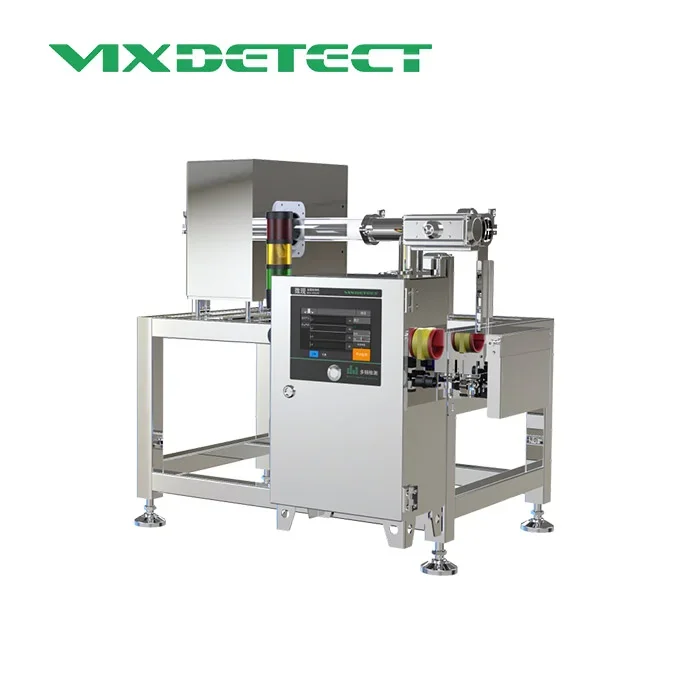
1. Why Calibration Is Essential for a Food Metal Detector
A food metal detector works by generating an electromagnetic field and detecting disturbances caused by metal contaminants. Over time, this detection field can drift due to environmental conditions, vibration, temperature changes, or product variations.
Calibration ensures that the system continues to:
-
Detect metal contaminants accurately
-
Maintain stable sensitivity levels
-
Reduce false rejection rates
-
Comply with food safety standards such as HACCP and BRC
-
Deliver consistent performance across production shifts
Without proper calibration, even a high-quality industrial food metal detector may fail to meet safety expectations.
In short, calibration is not optional—it is a core requirement for food safety compliance.
2. How Often Should a Food Metal Detector Be Calibrated?
There is no universal fixed rule, but industry best practices provide clear guidance.
2.1 Daily Calibration (Standard Practice)
Most food manufacturing facilities calibrate their food metal detector daily before production starts.
This ensures:
-
System stability after downtime
-
Detection accuracy reset
-
Removal of environmental drift effects
Daily calibration is especially important in:
-
Meat processing plants
-
Bakery production lines
-
Dairy factories
-
High-humidity environments
For most operations, this is the minimum recommended frequency.
2.2 Calibration at Every Shift Change
In high-volume production environments running multiple shifts per day, calibration should be performed:
-
At the start of each shift
-
After long production breaks
-
When operators change
This is critical because a food metal detector may experience:
-
Temperature fluctuations
-
Mechanical vibration differences
-
Product variation between shifts
Shift-based calibration ensures consistent detection performance across all working hours.
2.3 Calibration After Product Change
One of the most important rules in food inspection systems is:
Always recalibrate the food metal detector when changing products.
Different food products affect detection performance differently. For example:
-
High-moisture foods (meat, fish)
-
High-salt foods (processed snacks)
-
Dry foods (flour, grains)
-
Frozen products
Each product type changes the electromagnetic response inside the detection field.
Therefore, every time production switches, the food metal detector must be recalibrated to maintain accuracy.
2.4 Calibration After Cleaning or Maintenance
Industrial food production requires strict hygiene standards. Equipment is often cleaned using water, steam, or chemical agents.
After:
-
Deep cleaning
-
Conveyor washing
-
Sensor maintenance
-
Mechanical repair
The food metal detector should always be recalibrated before restarting production.
Moisture, residue, or minor mechanical adjustments can affect detection stability.
2.5 Periodic Deep Calibration (Weekly or Monthly)
In addition to daily checks, most factories perform deeper calibration:
-
Weekly (medium-sized production lines)
-
Monthly (stable low-risk environments)
This includes:
-
Full system diagnostic testing
-
Sensitivity benchmarking
-
Performance verification using test samples
This long-term calibration ensures the food metal detector system remains aligned with regulatory standards and production requirements.
3. Factors That Influence Calibration Frequency
Not all factories follow the same schedule. Several factors affect how often a food metal detector should be calibrated.
3.1 Type of Food Product
Different products create different levels of interference:
-
Wet products → higher signal interference
-
Salty products → electromagnetic distortion
-
Frozen products → temperature sensitivity
-
Dry products → stable detection conditions
The more complex the product, the more frequent calibration is required.
3.2 Production Speed
High-speed production lines place more stress on equipment.
A high-speed food metal detector may require:
-
More frequent recalibration
-
Real-time sensitivity adjustment
-
Frequent verification tests
Slower production lines are more stable and require less frequent adjustments.
3.3 Environmental Conditions
Environmental factors play a major role in calibration stability:
-
Temperature fluctuations
-
Humidity levels
-
Dust or flour particles
-
Electrical noise interference
Harsh environments require more frequent calibration cycles.
3.4 Equipment Quality
High-end industrial food metal detectors often include:
-
Auto-calibration functions
-
Digital signal processing (DSP)
-
Self-learning algorithms
These systems require less manual calibration but still need regular verification.
Lower-cost systems require more frequent manual calibration to maintain accuracy.
3.5 Regulatory Requirements
Food safety standards such as:
-
HACCP
-
BRCGS
-
ISO 22000
-
FDA guidelines
require documented calibration schedules for every food metal detector system.
In many audits, calibration logs are mandatory evidence of compliance.
4. What Happens If a Food Metal Detector Is Not Calibrated Regularly?
Failing to calibrate a food metal detector can lead to serious consequences.
4.1 Reduced Detection Accuracy
The system may fail to detect:
-
Small metal fragments
-
Stainless steel contamination
-
Low-conductivity materials
This creates a direct food safety risk.
4.2 Increased False Rejects
Improper calibration can cause:
-
Rejection of safe products
-
Production inefficiency
-
Increased operational costs
4.3 Product Recalls and Compliance Risks
In extreme cases, uncalibrated systems may allow contaminated products to reach consumers, leading to:
-
Product recalls
-
Brand reputation damage
-
Legal and regulatory penalties
4.4 Production Downtime
Unexpected detection errors can force:
-
Line stoppages
-
Emergency recalibration
-
Manual inspection processes
5. Best Practices for Food Metal Detector Calibration
To ensure long-term reliability, manufacturers should follow structured calibration practices.
5.1 Use Standard Test Samples
Calibration should always use certified test pieces such as:
-
Ferrous metal samples
-
Non-ferrous metal samples
-
Stainless steel samples
This ensures consistent testing accuracy.
5.2 Document Every Calibration
Each food metal detector calibration should be recorded, including:
-
Date and time
-
Operator name
-
Test results
-
Sensitivity settings
This is critical for audit compliance.
5.3 Train Operators Properly
Operator training should include:
-
Calibration procedures
-
Sensitivity adjustment
-
Alarm interpretation
-
Cleaning protocols
Well-trained staff reduce calibration errors significantly.
5.4 Schedule Preventive Maintenance
Preventive maintenance ensures:
-
Stable long-term performance
-
Reduced breakdowns
-
Consistent calibration results
5.5 Use Environmental Protection
To reduce calibration frequency needs, manufacturers should:
-
Install stable temperature control
-
Reduce moisture exposure
-
Shield electrical interference
6. Modern Food Metal Detectors and Auto-Calibration Trends
Modern food metal detector systems are becoming more intelligent.
Advanced features include:
-
Auto-calibration on startup
-
Real-time sensitivity adjustment
-
Digital signal filtering
-
IoT-based monitoring systems
-
Cloud-based performance tracking
These innovations reduce manual workload while improving stability.
However, even the most advanced systems still require periodic manual verification.
7. Conclusion
So, how often should a food metal detector be calibrated?
In most food production environments, the best practice is:
-
Daily calibration before production starts
-
Calibration at every shift change
-
Recalibration after product change or cleaning
-
Periodic deep calibration weekly or monthly
The exact frequency depends on product type, environment, production speed, and regulatory requirements.
A well-calibrated food metal detector system ensures:
-
Accurate contamination detection
-
Stable production performance
-
Compliance with food safety standards
-
Reduced risk of recalls and product loss
Ultimately, calibration is not just a technical task—it is a fundamental part of food safety management and quality assurance in every modern food manufacturing facility.
http://www.vixdetect.net
vixdetect -
-
AuthorPosts

- You must be logged in to reply to this topic.