- This topic is empty.
-
AuthorPosts
-
08/06/2026 at 09:40 #84729
Wastewater treatment facilities face unique challenges when measuring flow rates accurately and reliably. The harsh operating environment, diverse fluid characteristics, and strict regulatory requirements demand careful selection of measurement instrumentation. Understanding the technical considerations behind electromagnetic flowmeter selection can significantly improve operational efficiency and long-term measurement reliability.
Common Challenges in Wastewater Flow Measurement
Wastewater presents a uniquely challenging measurement environment that differs fundamentally from clean water applications. The fluid typically contains suspended solids, debris, and varying conductivity levels that can interfere with measurement accuracy. Additionally, many treatment facilities operate with pipes ranging from small-diameter collection lines to large-diameter trunk mains exceeding DN3000, requiring scalable measurement solutions.
Abrasive particles in raw sewage and sludge applications create accelerated wear on sensor components, particularly electrode surfaces and protective linings. This wear can gradually degrade measurement accuracy or cause premature sensor failure. Furthermore, many remote pump stations and collection points lack reliable electrical infrastructure, making traditional powered measurement systems impractical.
Signal stability represents another critical concern. The heterogeneous nature of wastewater—with solid particles, grease, and fiber content—can generate electrical noise that interferes with the induced electromotive force signal. Without proper signal processing algorithms, these interferences manifest as measurement fluctuations or erroneous readings.
Fundamental Selection Criteria
The selection process begins with understanding the application’s specific requirements. Pipe diameter directly influences both sensor design and cost considerations. For standard pipe sizes from DN15 to DN600, full-bore electromagnetic flowmeters provide optimal accuracy and reliability. However, for large-diameter applications above DN600, insertion-type meters offer a cost-effective alternative while maintaining acceptable measurement performance.
Fluid conductivity must meet minimum threshold requirements for electromagnetic measurement principles to function. Wastewater typically exhibits conductivity levels well above the minimum 5 μS/cm requirement, but pretreated or heavily diluted streams should be verified. The measurement principle relies on Faraday’s Law of electromagnetic induction, where conductive fluid moving through a magnetic field generates a voltage proportional to flow velocity.
Accuracy requirements vary based on application purpose. Billing and regulatory compliance applications typically demand ±0.5% or better accuracy, while process control applications may accept ±1.0% accuracy. Higher accuracy specifications require more sophisticated signal processing and tighter manufacturing tolerances. The velocity measurement range from 0.1 to 10 m/s accommodates most wastewater applications, from low-flow pump station monitoring to high-velocity trunk main measurement.
Material Selection for Durability
Electrode material selection directly impacts long-term reliability and measurement stability. 316L stainless steel electrodes provide excellent corrosion resistance for most municipal wastewater applications and represent the standard specification. For aggressive industrial wastewater containing chlorides or acidic components, Hastelloy C electrodes offer superior chemical resistance, though at increased cost.
Applications involving abrasive slurries benefit from titanium or tantalum electrodes, which combine hardness with corrosion resistance. The electrode geometry and surface finish also influence performance—properly designed electrodes minimize buildup accumulation that can insulate the measurement surface from the conductive fluid.
Lining material protects the flow tube from chemical attack and physical abrasion. Polytetrafluoroethylene (PTFE) linings provide exceptional chemical resistance across a wide pH range and temperature tolerance from -40°C to +180°C, making them suitable for variable wastewater chemistry. However, PTFE exhibits lower abrasion resistance compared to elastomer alternatives.
For slurry and high-solid-content applications, polyurethane linings deliver superior wear resistance while maintaining adequate chemical compatibility. The material withstands repetitive particle impact better than rubber alternatives. Neoprene and hard rubber linings offer balanced performance for general wastewater service with moderate abrasive content.
Ceramic linings represent the premium solution for extreme abrasion applications, though availability typically limits them to smaller pipe sizes (DN15-DN150). The material’s hardness prevents erosion from constant solid particle contact, significantly extending sensor service life in challenging environments.
Installation Considerations and Best Practices
Proper installation fundamentally determines measurement accuracy and long-term reliability. Electromagnetic flowmeters require fully flooded pipe conditions—partial pipe fill creates measurement errors since the magnetic field assumes complete tube cross-section occupancy. Installation locations should maintain at least 5 diameters of straight upstream pipe and 2 diameters downstream to establish stable flow profiles.
Grounding becomes critical in wastewater applications. Non-conductive pipe materials (PVC, FRP, lined steel) require additional grounding electrodes to provide a reference potential path. Without proper grounding, stray electrical currents can induce measurement errors or damage electronics. Most wastewater applications benefit from dual grounding electrodes to ensure reliable electrical contact even if one electrode surface experiences temporary insulation from debris buildup.
The sensor orientation affects performance in solids-laden applications. Horizontal installation with electrodes positioned on the horizontal plane (3 o’clock and 9 o’clock positions) prevents air bubble accumulation at the upper electrode and sediment settlement on the lower electrode. This orientation maintains clean electrode-to-fluid contact surfaces.
Split versus integral configurations present distinct installation advantages. Split designs separate the sensor from the converter electronics, allowing the converter to be mounted in accessible, environmentally controlled locations while the sensor remains in difficult-to-reach positions. This configuration particularly benefits buried or submerged installations common in wastewater collection systems. Integral designs simplify installation and reduce wiring costs for easily accessible locations with benign environmental conditions.
Power Supply and Communication Options
Traditional electromagnetic flowmeters require continuous AC power for excitation coil operation and signal processing electronics. However, many wastewater collection points lack reliable electrical infrastructure. Battery-powered electromagnetic flowmeters address this limitation through optimized low-power electronics and intermittent measurement strategies.
These battery systems employ periodic excitation cycles rather than continuous operation, dramatically reducing power consumption. Advanced designs achieve multi-year operation from internal battery packs while maintaining acceptable measurement accuracy. The IP68 ingress protection rating allows complete submersion up to 3 meters, enabling installation in wet wells and vaults where flooding occurs during high-flow events.
Communication protocols enable integration with supervisory control systems. The industry-standard MODBUS-RTU protocol over RS485 physical layer provides reliable long-distance communication for multiple devices on a shared network. For remote installations, GPRS cellular connectivity transmits measurement data to centralized monitoring platforms without requiring dedicated communication infrastructure.
Modern installations increasingly employ IoT connectivity through WiFi or Bluetooth interfaces. These wireless protocols simplify installation by eliminating communication wiring while enabling convenient configuration through smartphone or tablet interfaces. Cloud-based platforms aggregate data from distributed measurement points, enabling system-wide flow monitoring and trend analysis that supports operational optimization and regulatory reporting.
Advanced Signal Processing for Wastewater
Raw wastewater and sludge applications generate measurement challenges beyond standard clean fluid environments. Solid particles colliding with electrode surfaces create sudden voltage spikes—termed "cuspidal disturbances"—that conventional signal processing interprets as rapid flow changes. Without mitigation, these artifacts appear as measurement noise or erratic readings.
Variation restraint algorithms specifically address this phenomenon by recognizing and filtering spike characteristics while preserving legitimate flow variation signals. The processing distinguishes between rapid, high-amplitude, short-duration electrode impacts and gradual flow rate changes based on signal morphology analysis.
Square wave pulse excitation with variable frequency drive improves zero-point stability compared to conventional DC or AC excitation methods. The bidirectional constant current drive system alternates magnetic field polarity, canceling electrochemical polarization effects that create zero drift. This excitation method proves particularly valuable in wastewater applications where electrode surface conditions constantly change due to fouling or chemical exposure.
High-input-impedance amplification with Voltage-to-Frequency Conversion (VFC) maintains signal integrity in high-noise industrial environments. The VFC architecture converts the analog induced voltage to a proportional frequency signal less susceptible to electrical interference during transmission to the converter electronics.
Accuracy Validation and Verification
Factory calibration establishes baseline accuracy using traceable flow standards, but field verification confirms continued performance after installation and service exposure. Wastewater applications should implement periodic verification protocols appropriate to the accuracy criticality of each measurement point.
Zero verification can be performed in-situ by closing isolation valves and confirming the meter indicates zero flow. This simple test validates electronics functionality and detects gross electrode or grounding faults without requiring meter removal. Discrepancies indicate potential issues requiring further investigation.
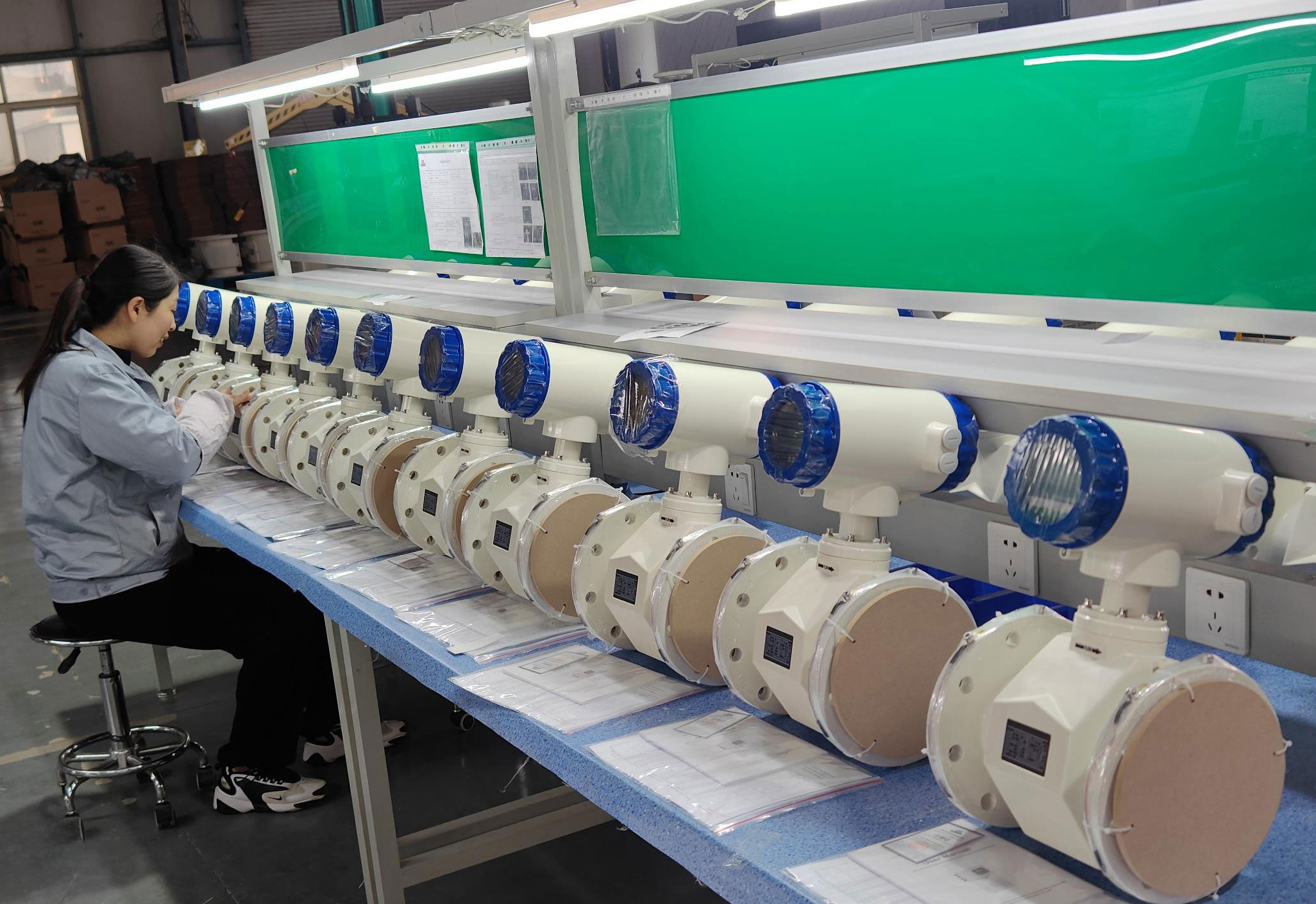
Full accuracy verification requires comparison against reference standards or alternative measurement methods. Portable ultrasonic flowmeters provide non-invasive verification for accessible pipe sections, though accuracy limitations of the reference device must be considered. For critical custody transfer or regulatory reporting applications, periodic removal and recalibration at accredited laboratories maintains measurement traceability.
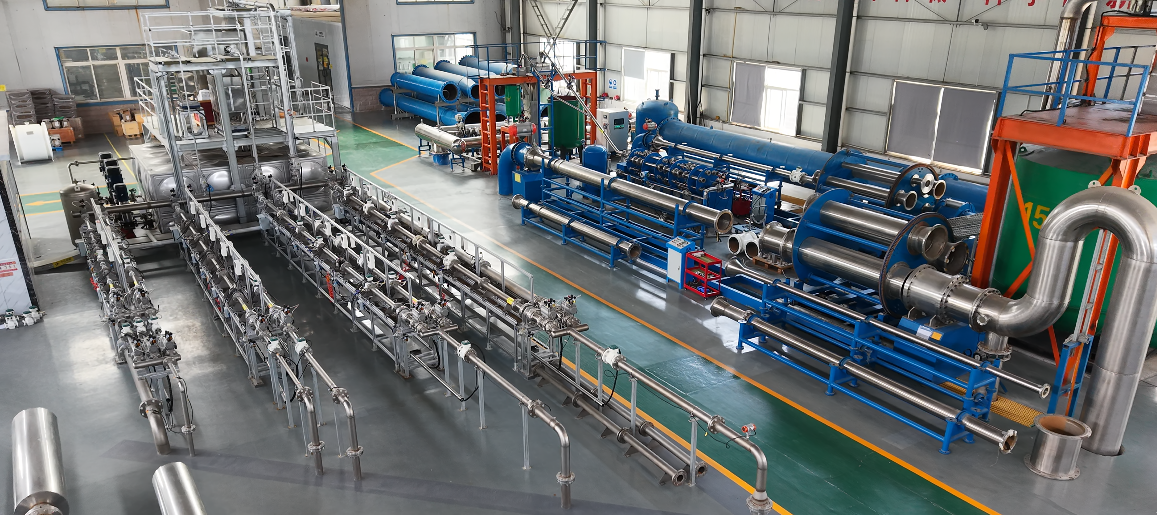
Self-diagnostic capabilities built into modern electromagnetic flowmeters continuously monitor system health. Empty pipe detection alerts operators to measurement invalidity when fluid level drops below the sensor electrodes. Excitation circuit monitoring identifies coil failures or wiring faults that compromise magnetic field generation. These diagnostic functions minimize the risk of undetected measurement errors that could compromise process control or regulatory compliance.
Practical Application Considerations
Kaifeng XinYa Instrument Co., Ltd. has developed specialized electromagnetic flowmeter solutions addressing common wastewater measurement challenges. Their SF-E series provides versatile measurement capability across pipe sizes from DN15 to DN3000, with accuracy options of ±0.5%, ±0.3%, or ±0.2% depending on application requirements. The multi-output interface simultaneously provides 4-20mA, frequency, and pulse signals, ensuring compatibility with diverse control system architectures.
For remote monitoring applications without electrical infrastructure, their battery-powered series achieves long-term autonomous operation with IP68-rated construction suitable for submerged installations. The system maintains 120 months of internal data storage, preventing data loss during communication interruptions—a critical feature for regulatory compliance documentation.
The specialized slurry measurement series incorporates wear-resistant polyurethane and PFA lining materials combined with variation restraint signal processing. This combination addresses both the physical abrasion and electrical interference challenges inherent in high-solids wastewater streams. The configuration has demonstrated stable measurement performance in coal-water slurry and mineral tailings applications where conventional meters experience rapid degradation.
Large-diameter trunk main measurement benefits from their SF-C insertion design, which reduces installation cost and complexity compared to full-bore meters in pipes exceeding DN600. The adjustable insertion depth allows optimization for specific flow profile characteristics, while the ball valve mounting base enables installation and removal under live process conditions.
Conclusion
Electromagnetic flowmeter selection for wastewater treatment requires systematic evaluation of application-specific factors including pipe diameter, fluid characteristics, accuracy requirements, installation environment, and communication needs. Material selection for electrodes and linings directly impacts long-term reliability in chemically aggressive and abrasive service conditions.
Modern electromagnetic flowmeters incorporate advanced signal processing algorithms that maintain measurement stability despite the electrical interference and physical challenges inherent in wastewater applications. Battery-powered and wireless communication options extend reliable flow measurement to remote locations lacking electrical and communication infrastructure.
Proper installation practices and periodic verification protocols ensure continued accuracy throughout the sensor service life. The combination of appropriate hardware selection and sound engineering practices delivers the reliable flow measurement data essential for efficient wastewater treatment facility operation and regulatory compliance.
https://www.sytcflowmeter.com/
Kaifeng Xinya Instrument Co., Ltd. -
AuthorPosts

- You must be logged in to reply to this topic.