- This topic is empty.
-
AuthorPosts
-
02/03/2026 at 14:38 #84168
In an era where connectivity underpins nearly every critical infrastructure and operational function, IP mesh radio solutions have emerged as powerful tools for building robust, scalable, and resilient wireless networks. Whether you’re planning a public safety radio network, connecting industrial facilities, supporting IoT devices across expansive areas, or enabling backhaul for cellular services, choosing the right IP mesh radio solution can make the difference between seamless performance and persistent connectivity headaches.
However, with the proliferation of vendors, varying technical standards, spectrum options, and deployment environments, selecting the ideal solution is not straightforward. This comprehensive guide will walk you through the key considerations that should inform your decision — from understanding your project requirements to evaluating technology features and future scalability.
1. Understand What IP Mesh Radio Is
Before diving into selection criteria, it's critical to understand what IP mesh radio technology is and why it's used:
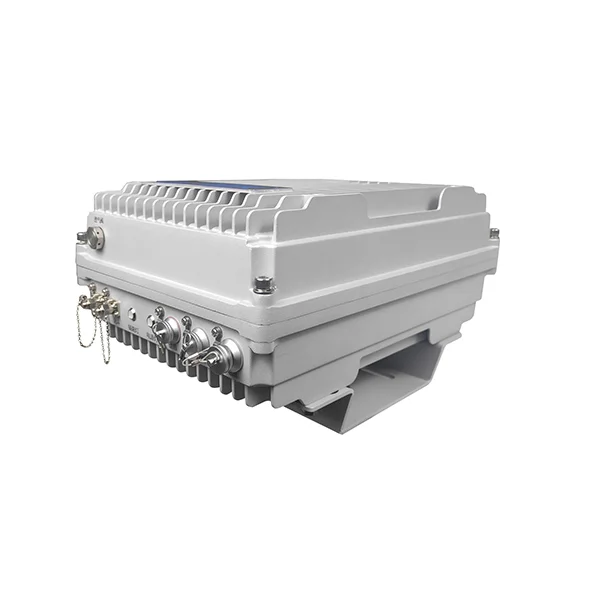
An IP mesh radio network is a wireless communication system where each radio node not only sends and receives data but can also relay data to other nodes. This creates a “mesh” of interconnected devices where information can find multiple paths to reach its destination.
Key benefits include:
-
Self-healing networks: When a node fails or a link is degraded, traffic automatically reroutes.
-
Flexible topology: No centralized infrastructure or fixed wiring is required.
-
Coverage flexibility: Mesh nodes can be extended outward to expand coverage.
-
Low latency: Traffic can route dynamically over the most efficient path.
Common use cases include:
-
Public safety and emergency communications
-
Oil, gas, mining, and industrial facilities
-
Smart cities and utility networks
-
Transportation networks (e.g., rail, ports)
-
Temporary deployments (e.g., events, disaster response)
-
Cellular backhaul support
2. Clarify Your Project Requirements
Project requirements form the foundation of your decision. They will dictate nearly every technical choice that follows. Consider the following questions:
a. What Is the Geographic Scope?
-
Small campus or yard: A few nodes might be sufficient.
-
Multi-site or wide area: You will need long-range, high-power radios and possibly multiple mesh clusters.
Distance directly impacts:
-
Radio output power
-
Frequency band selection
-
Antenna gain and type
-
Backhaul capacity
b. What Is the Environment Like?
Every environment affects RF propagation differently:
-
Urban areas: Buildings and interference require more planning and may benefit from higher-frequency, short-range systems or multi-path support.
-
Open rural areas: Long range may be prioritized.
-
Industrial environments: Metal structures and electrical noise can create multipath reflection and signal degradation.
c. What Applications Will Run on the Network?
Your traffic profile determines capacity needs:
-
Voice, video, and data
-
IoT sensor telemetry
-
SCADA systems
-
Real-time control and automation
High throughput and low latency needs will require more advanced radio features and better spectrum planning.
d. What Are Regulatory and Licensing Constraints?
Different countries allocate different bands for licensed and unlicensed use. Be clear on:
-
Local frequency regulations
-
Licensing options and costs
-
Power limits
-
Interference protections
Licensing can provide interference protection but may involve additional expense and process.
3. Choose the Right Frequency Band
The frequency band you choose dramatically impacts performance, coverage, and resilience.
a. Unlicensed Bands (e.g., 2.4 GHz, 5 GHz)
Pros:
-
No licensing fees
-
Simple deployment
-
Broad equipment support
Cons:
-
Congestion from other users
-
Higher interference risk
-
Shorter range at higher frequencies
Unlicensed bands are suitable for smaller, less congested deployments or where cost is a primary concern.
b. Licensed Bands (e.g., 700 MHz, 900 MHz, 3.5 GHz)
Pros:
-
Interference protection
-
Better reliability
-
Often better propagation
Cons:
-
Licensing requirements and costs
-
More regulatory process
Licensed spectrum is typically preferred for mission-critical networks and high-traffic systems.
c. Frequency Tradeoffs
-
Lower frequencies (e.g., sub-1 GHz): Better range and penetration through obstacles.
-
Higher frequencies (e.g., 5 GHz and above): Higher capacity but shorter range.
Your environmental conditions and performance needs determine ideal frequency choices.
4. Evaluate Key Technical Features
Not all mesh radios are created equal. Evaluate the following technical features:
a. Throughput and Capacity
Look for radios that support:
-
Gigabit Ethernet throughput (when needed)
-
Dynamic channel bonding for higher speed
-
Quality of Service (QoS) to prioritize critical data
b. Latency Performance
Latency matters in:
-
Voice communications
-
Industrial control
-
Real-time video
Lower latency solutions often use better routing algorithms and faster processing hardware.
c. Mesh Routing Protocols
Mesh radios use intelligent protocols to determine the best path for data:
-
Proprietary protocols optimized by vendor
-
Standards-based protocols like HWMP (802.11s)
Evaluate routing efficiency, path discovery speed, and resiliency.
d. Security Features
Security is non-negotiable. Check for:
-
AES-256 encryption
-
VPN integration
-
Secure management access
-
Rogue access detection
-
Firewall capabilities
Ensure the solution meets your organization’s security policies and compliance requirements.
e. Integration with IP Networks
Consider how the mesh system will integrate with:
-
Existing IP infrastructure
-
Network management systems (NMS)
-
Authentication systems like RADIUS or TACACS+
Interoperability simplifies operations and reduces administrative complexity.
5. Check Scalability and Future Growth
Your network needs today may not be the same tomorrow. Ask:
-
Can additional nodes be easily added?
-
Is the management platform scalable?
-
Can software upgrades improve features over time?
-
Is interoperability supported between old and new hardware?
A scalable solution protects your investment and reduces future upgrade costs.
6. Assess Reliability and Redundancy
Mesh systems are valued for redundancy, but not all systems are equal.
a. Self-Healing Capabilities
The system should automatically reroute traffic if a node goes down.
b. Multi-Path Diversity
Multiple backhaul paths ensure resilient connectivity.
c. Redundant Gateways
For critical networks, consider multiple gateway connections to core networks or the cloud.
7. Consider Power and Deployment Factors
a. Power Availability
Many mesh nodes are deployed outdoors or in remote locations.
-
Power over Ethernet (PoE) is standard for simplicity.
-
Solar power kits may be required in remote areas without grid power.
b. Mounting and Form Factor
Different environments require different hardware:
-
Ruggedized outdoor units
-
Weatherproof enclosures
-
Compact indoor nodes
Select hardware that matches deployment conditions.
8. Evaluate Management and Monitoring Tools
Effective tools are essential for operational success.
a. Centralized Management
A centralized dashboard helps:
-
Monitor network health
-
Configure devices in bulk
-
View real-time performance metrics
b. Alerts and Logging
Look for systems with:
-
Custom alert thresholds
-
Syslog integration
-
Detailed historical logs
c. Automation and Analytics
Advanced systems use AI/ML for:
-
Predictive maintenance
-
Automated channel optimization
-
Load balancing
These features reduce manual operations and improve reliability.
9. Verify Vendor Support and Warranty
A strong vendor relationship ensures:
-
Timely software updates
-
Fast hardware replacement
-
Access to technical support
-
Training and documentation
Prefer vendors with global support, responsive service teams, and robust warranty coverage.
10. Budget Realistically — But Don't Compromise on Essentials
Cost includes more than hardware:
-
Licensing fees
-
Installation and commissioning
-
Spectrum fees (if licensed)
-
Ongoing maintenance and upgrades
-
Management software subscriptions
An inexpensive system with poor reliability may cost more in the long run. Invest in quality where it matters: performance, security, and resilience.
11. Evaluate Real-World Performance and Case Studies
Before final purchase decisions, ask for:
-
Real deployment references
-
Site surveys
-
Performance reports
-
RF propagation models
Case studies that match your use case (e.g., industrial, urban, campus) provide confidence in performance outcomes.
12. Plan a Pilot Deployment
A pilot network helps:
-
Validate coverage and throughput
-
Discover environmental challenges
-
Test integration with existing systems
-
Train staff on management tools
Pilot feedback should inform final configuration decisions.
Conclusion
Choosing the right IP mesh radio solution for your project is a strategic decision that goes far beyond buying the “best” hardware. It requires a deep understanding of your project’s objectives, environment, performance requirements, future growth expectations, and operational constraints.
The ideal solution:
-
Fits your coverage and traffic needs
-
Uses appropriate spectrum
-
Offers robust security and management
-
Scales easily with future demands
-
Provides high reliability and redundancy
-
Balances cost with essential performance features
By following the framework outlined in this guide — clarifying requirements, examining frequency options, analyzing technical features, assessing scalability, and validating real-world performance — you’ll be better equipped to choose a mesh radio network that delivers dependable results for your organization’s communication needs.
http://www.suntor.com
suntor -
-
AuthorPosts

- You must be logged in to reply to this topic.