- This topic is empty.
-
AuthorPosts
-
11/12/2025 at 17:52 #83848
Aluminum compressed air line has become a preferred choice for manufacturing plants, workshops, and industrial facilities seeking efficiency, durability, and long-term performance. Compared with traditional piping materials, aluminum provides significant advantages in corrosion resistance, leak prevention, pressure stability, and energy savings. In this blog post, UPIPE, as aluminum compressed air piping system factory, will share insights on planning for aluminum compressed air line installation, its advantages, etc.
Understanding Aluminum Compressed Air Line System
Aluminum compressed air line systems are engineered piping networks designed to safely transport pressurized air from compressors to end-use equipment. These systems use lightweight yet robust aluminum alloy pipes combined with precision-machined fittings to ensure stable pressure and minimal energy loss.
Unlike steel pipes that gradually corrode or plastic pipes that deform under high pressure, aluminum pipelines maintain consistent performance throughout their service life. Their internal surface is extremely smooth, enabling higher flow rates and reducing turbulence. This structural stability makes aluminum ideal for demanding industrial environments.
Advantages of Aluminum Piping in Compressed Air Installation
Choosing aluminum piping for compressed air line installation offers multiple operational benefits:
• Corrosion-free performance: Aluminum does not rust, preventing contamination in critical applications such as food processing, electronics, or automotive production.
• Lightweight structure: Its low weight simplifies handling and speeds up installation without requiring heavy tools or welding.
• Leak-resistant design: High-precision fittings ensure tight connections, minimizing air leaks and cutting expensive energy waste.
• Consistent airflow: Smooth interior surfaces deliver superior flow efficiency compared with steel or PVC systems.
• Long service life: High fatigue resistance helps aluminum pipelines withstand continuous pressure cycles.These advantages contribute to lower lifecycle cost and better facility performance.
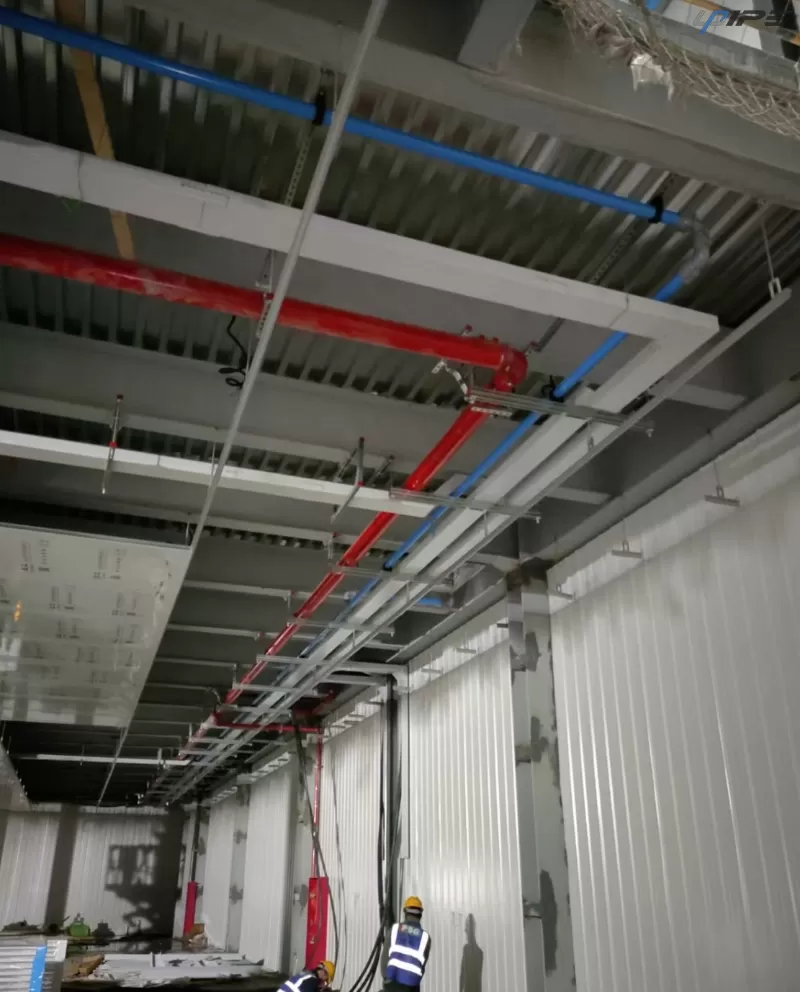
Planning for Aluminum Compressed Air Line Installation
Before beginning an aluminum compressed air line installation, a detailed planning phase is essential. Proper planning ensures long-term reliability and prevents costly modifications later.
Key planning considerations include:
1. Determining system pressure requirements
Identify maximum operating pressure and select aluminum tubing and fittings that meet or exceed these specifications.2. Mapping facility layout
Create a detailed drawing showing compressor placement, main headers, branch lines, and end-use points. This helps optimize pipe routing and reduce pressure drops.3. Selecting appropriate diameter
Pipe size directly affects flow volume and energy consumption. Undersized pipes cause pressure loss, while oversized pipes increase material cost.4. Considering future expansion
Aluminum systems make modifications easy, but planning expansion options upfront minimizes downtime later.Best Practices for Installing Aluminum Compressed Air Line
Following industry best practices ensures your aluminum air pipeline operates safely and efficiently.
Preparing the Site for Aluminum Pipeline Installation
Before installation begins, ensure the work area is clean and accessible. All required fittings, brackets, and support components should be organized in advance. Confirm that compressor output and air treatment equipment (dryers, filters, regulators) are properly positioned.
Cutting and Connecting Aluminum Air Lines
Unlike steel piping, aluminum air lines require no welding or threading. Use specialized cutting tools to achieve clean, burr-free pipe edges. Connections are typically made with push-to-connect or mechanically tightened fittings.
Key steps include:
-
Measure and mark pipe sections accurately
-
Cut using rotary pipe cutters
-
Deburr edges to maintain sealing integrity
-
Assemble fittings according to manufacturer torque guidelines
This process reduces installation time and ensures leak-free joints.
Supporting and Securing Aluminum Air Piping
Proper pipe support is critical for durability. Aluminum pipelines should be mounted with evenly spaced brackets to prevent sagging. Follow recommended spacing guidelines based on pipe diameter and wall thickness.
Additionally, avoid placing pipelines near high-heat sources or areas prone to vibration without protective measures.
Common Mistakes in Aluminum Compressed Air Line Installation
Even with a high-quality aluminum air distribution system, installation mistakes can compromise performance. Avoid the following:
• Improper pipe sizing: Leads to pressure drop and equipment inefficiency.
• Mixing incompatible materials: Combining aluminum with steel can accelerate galvanic corrosion in certain environments.
• Insufficient drainage: Condensation must be removed from the system using drip legs and automatic drains.
• Poorly placed branch lines: Branch outlets should always be taken from the top of the main line to prevent moisture carryover.
• Over-tightening fittings: Can damage sealing surfaces or deform pipe ends.Comparing Aluminum Air Lines with Steel and Plastic System
Aluminum compressed air line installation offers advantages over both steel and plastic systems.
Versus steel:
-
Aluminum is lighter and faster to install
-
No rust, scaling, or contamination risk
-
Lower friction loss and better airflow
-
No welding required
Versus plastic:
-
Aluminum withstands higher pressures
-
Better temperature resistance
-
Longer lifespan under industrial conditions
-
Better fire safety profile
This balance of strength and convenience explains why aluminum solutions dominate modern industrial air systems.
Long-Term Maintenance of Aluminum Compressed Air Piping
Maintenance for aluminum piping is minimal compared to alternative materials, but regular inspections are still recommended.
Routine tasks include:
-
Checking for fitting wear or loosening
-
Inspecting brackets and supports
-
Ensuring drainage systems work properly
-
Monitoring for pressure fluctuations indicating leaks
-
Cleaning filters and dryers to maintain air quality
Because aluminum does not corrode, internal cleaning is rarely required.
Why Aluminum Is Becoming the Standard for New Air Line Installation
Modern facilities prioritize energy efficiency, reliability, and reduced downtime. Aluminum compressed air lines support these goals by providing:
-
Stable pressure across long distances
-
Easy reconfiguration for production changes
-
Lower installation labor cost
-
Cleaner air quality for sensitive processes
-
A future-ready system compatible with advanced compressors and automation
As industries evolve toward lean manufacturing and smart factories, aluminum air distribution systems align perfectly with long-term operational strategies.
Conclusion
Aluminum compressed air line installation offers an efficient, durable, and scalable solution for modern industrial environments. From superior airflow to corrosion-free reliability, aluminum pipelines outperform traditional materials in nearly every category. By following best installation practices, selecting proper pipe sizing, and planning layout carefully, businesses can build a high-performance compressed air network that supports productivity for decades.
If you need help customizing an aluminum compressed air piping solution for your facility, I can assist with drafting technical descriptions, product pages, or more detailed installation guides.
https://www.upipetech.com/industry/aluminum-compressed-air-line-installation-for-modern-facilities.h
UPIPE -
-
AuthorPosts

- You must be logged in to reply to this topic.